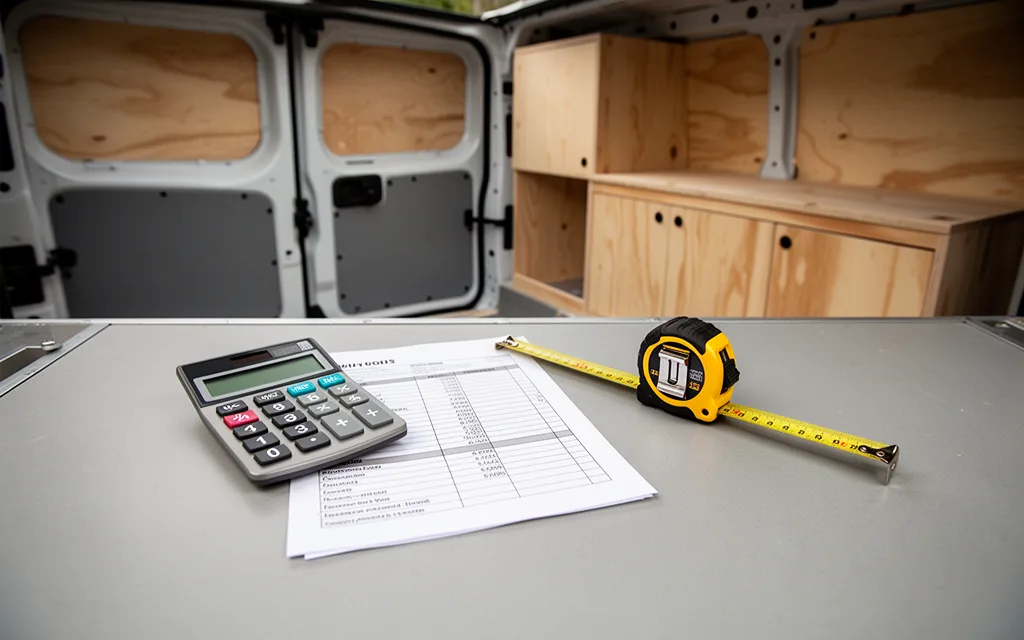
Whether you’re a seasoned van converter or a first-time DIY enthusiast, managing costs is crucial to turning your vision into reality. A van conversion budget spreadsheet serves as your roadmap, helping you track expenses, allocate funds, and avoid overspending on unexpected upgrades. By breaking down costs into categories like materials, tools, permits, and labor, you gain clarity on where your money goes. This tool also allows you to adjust estimates in real time, ensuring your project stays on track financially. From insulation to solar panels, every detail matters—and a well-structured spreadsheet keeps you organized without the stress of guesswork. Start planning smarter today.
Understanding Key Budget Categories for Van Conversion
Before diving into a van conversion, categorizing expenses ensures you allocate funds effectively. The base van cost is your largest upfront investment—research used models (e.g., Ford Transit, Mercedes Sprinter) on platforms like Facebook Marketplace or Cargurus, factoring in age, mileage, and mechanical condition. A 2010 van may cost $10k–$15k, while a 2020 model could double that. Next, interior materials: prioritize durability. For flooring, marine-grade vinyl or epoxy coatings (around $2–$5/sq ft) outlast carpet. Insulation (fiberglass or spray foam, $1–$3/sq ft) reduces noise and improves climate control. Countertops (plywood with laminate, $10–$20/sq ft) balance cost and resilience. Electrical systems are critical for off-grid living—budget $2k–$5k for solar panels, lithium batteries, and inverters. Include wiring, circuit breakers, and a battery management system to avoid overloads. Lastly, tools: invest in a cordless drill, impact wrench, and multimeter ($200–$500 total). Borrow specialty tools (e.g., HVAC equipment) if possible, but keep a portable toolkit for on-site adjustments. Allocate 10–15% of your total budget for unexpected costs like plumbing fixtures or last-minute material upgrades. Prioritize categories based on your lifestyle—e.g., a full electrical system is non-negotiable for remote work, while a minimalist may skip luxury finishes. Tracking these categories in a spreadsheet prevents overspending and keeps your project on track.
How to Customize Your Van Conversion Budget Spreadsheet
Begin by identifying your project’s unique categories, such as “Sleeping Area,” “Kitchen Setup,” or “Electrical Systems.” Add columns for each category, specifying subcategories like “Material Costs,” “Labor Hours,” or “Tool Rentals.” Use dropdown menus in cells to standardize entries (e.g., “LED Lighting” or “Cabinetry”) for consistency. For adjustable columns, right-click any header, select “Insert,” and add rows for unexpected expenses or vendor quotes. Include a “Notes” column to track supplier details or design decisions.
- Track expenses dynamically: Use formulas like
=SUM(B2:B10)to auto-calculate totals for each category. Link subtotals to a “Grand Total” cell for real-time budget updates. - Set conditional formatting: Highlight cells exceeding your allocated budget (e.g., red fill) by selecting “Conditional Formatting” > “Highlight Cells Rules” > “Greater Than.”
- Use filters for sorting: Click the “Data” tab, then “Filter,” to sort expenses by category, cost, or vendor. This helps identify overspending areas quickly.
- Integrate a timeline tracker: Add a “Completion Status” column with options like “Pending,” “In Progress,” or “Completed” to monitor project phases.
For advanced tracking, embed a Microsoft Excel tutorial on using pivot tables to analyze spending trends. Regularly update the spreadsheet as your project evolves, and adjust columns to reflect new priorities or budget shifts. This ensures your spreadsheet remains a flexible, actionable tool throughout the conversion process.
Free Van Conversion Budget Spreadsheet Templates
Managing costs during a van conversion requires precision, and free spreadsheet templates can streamline this process. For DIYers, tools like VanLifeBudgetTracker.xlsx (user rating: 4.7/5) offer categorized expense fields for electrical systems, insulation, and furniture, with built-in cost-per-square-foot calculations. RVConverterCostSheet.docx (4.5/5) is ideal for those prioritizing material sourcing, including bulk purchase discounts and supplier comparisons. Both templates are compatible with Excel and Google Sheets, allowing real-time collaboration with co-converters.
For more advanced planning, NomadVanFinanceTemplate.pdf (4.8/5) includes depreciation tracking and 12-month cash flow projections, though it requires manual input for niche expenses like composting toilets or off-grid solar setups. Paid options like VanConversionPro ($29.99) provide AI-driven budget forecasts and integration with online retailers for instant pricing updates.
These tools are especially useful when paired with van conversion ideas on a budget, which highlights cost-effective material swaps and DIY hacks. Always verify template compatibility with your spreadsheet software and cross-check totals against actual quotes to avoid overspending. User reviews consistently note that templates lacking customization for unique van models or regional labor costs can lead to miscalculations—prioritize those with editable categories and clear instructions.
Common Budgeting Mistakes to Avoid
Underestimating labor costs is a frequent pitfall, especially for DIYers who assume tasks like electrical work or insulation will take less time than they do. Factor in your hourly rate for labor, and don’t forget to account for time spent on unexpected delays, like sourcing parts or troubleshooting. Overbuying materials is another common error—purchasing extra supplies based on vague estimates can waste hundreds. Create a detailed list of required items, cross-referencing quantities with best budget van conversion ideas to ensure you’re buying only what’s necessary. Ignoring hidden costs, such as permits, tools, or unexpected repairs, can derail even the most meticulous budget. Always allocate 10–15% of your total budget for contingencies. Lastly, many converters overlook long-term expenses, like energy-efficient appliances or durable flooring, opting for cheaper, short-lived alternatives. Prioritize investments that reduce maintenance costs over time, even if they require a larger upfront spend. By addressing these pitfalls early, you’ll avoid costly mid-project surprises and stay aligned with your financial goals.
- Underestimating labor: Track time spent on each task and adjust your budget accordingly. Consider hiring professionals for complex jobs to save time and avoid rework.
- Overbuying materials: Use a spreadsheet to itemize purchases and compare prices across suppliers. Refer to best budget van conversion ideas for cost-effective material suggestions.
- Ignoring hidden costs: Research local permit requirements and include tool rental or repair funds in your contingency budget.
- Short-term thinking: Invest in durable, energy-efficient components (e.g., LED lighting, insulation) to minimize future expenses.
Tips for Tracking and Adjusting Your Budget as the Project Progresses
As your van conversion unfolds, maintaining a dynamic budget spreadsheet is critical. Start by categorizing expenses into rigid groups like “materials,” “labor,” “permits,” and “contingency” to avoid overlap. Use formulas to auto-calculate totals and track variance between estimated and actual costs. For example, if your electrical system costs 20% more than budgeted, the spreadsheet should highlight this immediately. Update the document weekly, even if only minor purchases are made—this prevents small overspending from snowballing. Always scan receipts and store them digitally in a shared folder (e.g., Google Drive) for easy reference during audits.
- Set alerts for thresholds: Use conditional formatting to flag categories nearing 80% of their allocated budget. This helps you pause non-essential spending before crossing limits.
- Reallocate funds strategically: If one area (e.g., insulation) goes under budget, redirect savings to higher-priority tasks like plumbing or solar installation.
- Track time spent: Include a “labor hours” column to estimate contractor costs or your own time investment. This prevents scope creep from inflating labor expenses.
- Build in a 10–15% contingency buffer: Reserve this for unexpected costs like last-minute permits or tool replacements. Avoid dipping into this unless absolutely necessary.
- Review monthly with a partner: If collaborating, assign one person to audit the spreadsheet each month and adjust allocations based on progress.
By treating the spreadsheet as a living document, you’ll stay agile and avoid costly surprises. Prioritize transparency—every dollar spent should be logged, even for small items like screws or adhesive.
Leave a Reply