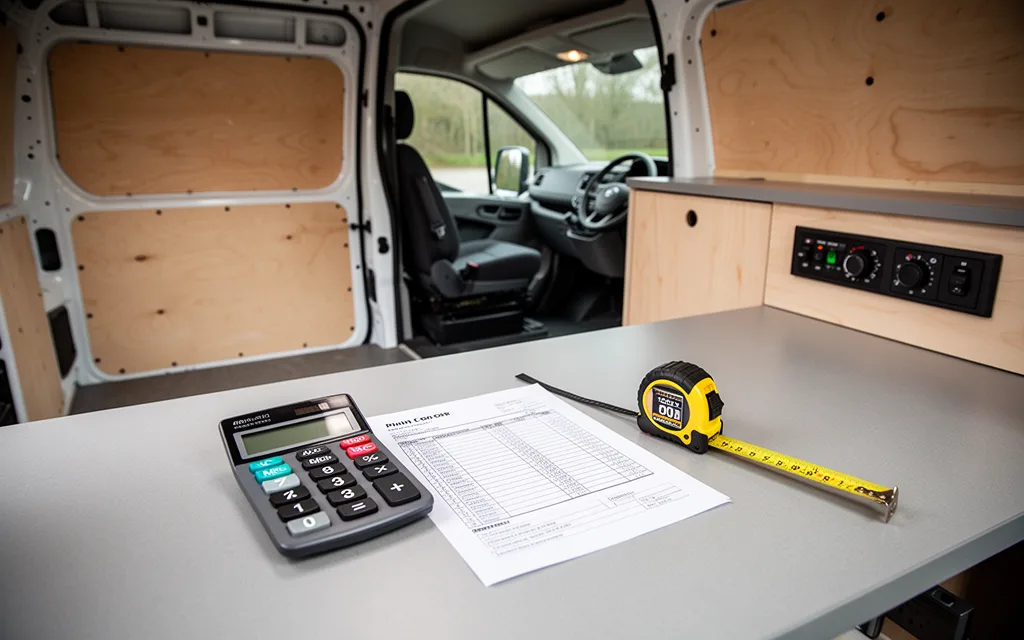
Understanding the van conversion cost Australia is crucial for converters navigating the unique demands of the local market. From sourcing materials to labor rates and compliance with Australian safety standards, costs vary widely based on project scope and quality expectations. Converters must balance budget constraints with durability, ensuring features like insulation, electrical systems, and custom layouts meet client needs without overspending. Researching regional suppliers and comparing quotes can significantly impact profitability. Additionally, factoring in permits, waste management, and post-conversion services adds layers of complexity. A clear breakdown of expenses upfront helps avoid surprises, making transparency a key differentiator in this competitive niche.
Understanding Van Conversion Cost Australia: Key Factors Influencing Budgets
In Australia, van conversion costs are shaped by a combination of logistical, material, and design-specific variables. The base vehicle’s make and model are critical—converting a used ute or commercial van (e.g., Ford Transit or Mercedes-Benz Sprinter) typically costs less than modifying a luxury vehicle like a Volkswagen Caravelle, which may require bespoke engineering. Import duties on imported components or vehicles also affect pricing, particularly for non-Australian-made models.
- Conversion complexity: Full-time live-in conversions (with plumbing, electrical systems, and insulation) cost 2–3 times more than basic setups (e.g., camping-style sleeping areas). Features like solar power integration, underfloor storage, or custom joinery add significant overhead, especially when sourced locally.
- Material quality: High-grade materials such as marine-grade ply, stainless steel, or fire-retardant fabrics are standard in premium conversions but increase costs by 15–30%. Eco-friendly options (e.g., recycled composites) may also carry a premium due to limited local supply chains.
- Labour and compliance: Australian regulations require structural reinforcement and safety certifications (e.g., for fire suppression systems), which add fixed costs. Skilled tradespeople in rural areas may charge higher rates due to limited competition, while urban converters might offer volume discounts for bulk projects.
- Location: Regional converters may have higher material freight costs, while major cities like Sydney or Melbourne benefit from access to suppliers and specialized workshops, potentially lowering per-unit expenses.
These factors interact uniquely in the Australian market, so converters must balance client expectations with local pricing realities to avoid budget overruns.
Average Van Conversion Cost Australia: Industry Benchmarks and Regional Variations
Van conversion costs in Australia vary significantly based on location, materials, and labor rates. In major cities like Sydney and Melbourne, base conversions (e.g., basic camping setups) typically range from $15,000 to $25,000, while luxury builds with custom finishes can exceed $50,000. Brisbane and Perth follow similar trends, with mid-range conversions averaging $20,000–$30,000 due to higher demand for premium finishes. Rural areas, however, often see higher prices due to limited access to suppliers and increased transport costs. For example, conversions in regional Queensland or Western Australia may add 10–15% to base costs, pushing mid-range builds to $22,000–$34,000. Labor rates also differ: skilled converters in urban hubs charge $50–$70/hour, whereas rural workshops may demand $60–$85/hour due to lower competition and higher operational expenses.
- Urban vs. rural breakdown: Sydney/Melbourne ($15k–$50k) vs. Outback ($18k–$55k+).
- Material costs: Urban areas benefit from proximity to suppliers, reducing overheads by 8–12% compared to remote regions.
- Transport: Rural conversions often require additional trucking fees, adding $1,500–$3,000 to final quotes.
For detailed regional pricing data, consult the Australian Government’s Industry Reports for 2023 van conversion statistics.
DIY vs Professional Van Conversion Cost Australia: Cost-Benefit Analysis
DIY van conversions in Australia typically save 30–50% on upfront costs compared to professional services, but this depends on material choices and skill level. Budget-friendly options like second-hand furniture, salvaged materials, and bulk-purchased supplies can reduce expenses, though van conversion ideas on a budget highlights the need for careful planning to avoid costly mistakes. Time investment is significant: a basic DIY conversion may take 40–80 hours, depending on complexity, while professionals complete similar projects in 10–20 hours. However, DIYers often underestimate the cost of tools, permits, and unexpected repairs, which can erode savings.
- Material Quality: Professionals use durable, fire-rated materials (e.g., marine-grade ply, certified insulation) that comply with Australian safety standards, whereas DIYers may compromise on quality to cut costs.
- Labour Costs: Professional conversions range from $15,000–$40,000+ in Australia, depending on features like solar systems or custom joinery, while DIYers avoid these fees but risk inefficiencies.
- Long-Term Value: Professional work increases resale value and reduces maintenance risks, while DIY conversions may require future upgrades or repairs, offsetting initial savings.
- Time vs. Money: Professionals charge premium rates for expertise, but DIYers save money only if they have the time, tools, and technical knowledge to execute the project without errors.
Hidden Van Conversion Cost Australia: Essential Expenses Often Overlooked
Many Australian van converters underestimate the non-obvious expenses tied to legal and safety compliance. Beyond materials and labor, permits, insurance adjustments, and adherence to regulations can significantly impact your budget. For example, state-specific building permits are often required for structural modifications, and failure to secure these can lead to fines or project halts. Similarly, vehicle registration changes may be necessary if your van’s use shifts from standard transport to a converted living space, which can involve additional fees.
- Permits and approvals: Local councils and state authorities may demand permits for electrical, gas, or structural work. Research requirements in your area to avoid delays.
- Insurance upgrades: Standard car insurance doesn’t cover converted vans. You’ll need specialized policies that account for modifications, which can cost 20–30% more than base coverage.
- Compliance inspections: Certified professionals must verify your van meets Australian Design Rules (ADR) for safety, including fire suppression systems, gas installations, and load-bearing structures.
- Registration and licensing: Some states charge extra for converting a vehicle to a “campervan” or “house van,” which may require new license plates or documentation.
These costs are often buried in the conversion process but are critical to avoid legal issues or safety risks. For a detailed breakdown of how these hidden expenses affect your budget, refer to our Van Conversion Cost Calculator: Budget Tips for Van Converters guide, which includes templates for tracking compliance-related spending.
Maximizing Value: Strategies for Managing Van Conversion Cost Australia
Optimizing van conversion costs in Australia requires balancing budget constraints with durability and functionality. Start by prioritizing essential systems—such as electrical wiring, water tanks, and insulation—before allocating funds to aesthetics. Use locally sourced materials like marine-grade plywood or recycled aluminum to cut shipping costs and support regional suppliers. Negotiate bulk discounts with manufacturers for components like solar panels or cabinetry, and compare quotes from multiple suppliers to ensure competitive pricing without sacrificing quality.
- Design for modularity: Opt for standardized layouts and interchangeable fixtures (e.g., fold-out tables, retractable shelves) to reduce customization costs and simplify future upgrades.
- Leverage digital tools: Use 3D modeling software to visualize layouts and minimize material waste during planning. This reduces errors and rework on the job site.
- Outsource selectively: Partner with trusted local tradespeople for specialized tasks (e.g., plumbing, electrical work) instead of hiring full-time staff for niche skills.
- Repurpose materials: Source second-hand items like furniture or appliances from Australian markets (e.g., Facebook Marketplace, Gumtree) to cut costs while maintaining a unique, eco-friendly vibe.
- Plan for longevity: Invest in high-quality, low-maintenance finishes (e.g., epoxy coatings, stainless steel) to avoid frequent repairs and replacements, which offset initial savings over time.
Leave a Reply