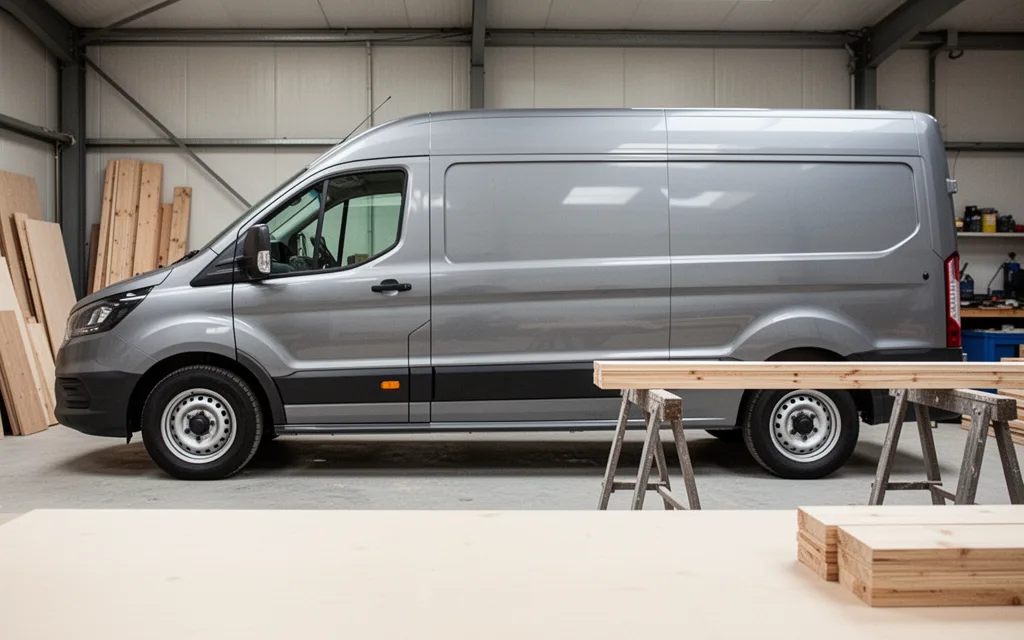
Finding the best van conversion companies UK buyers can trust starts with checking that each converter is a real trading business, that its stated specialism matches your base vehicle, and that you can inspect completed work. This guide replaces an earlier list that did not meet that standard. The five businesses below all have active official websites describing UK campervan conversion work. They are not presented as a universal ranking: the right choice depends on your van, layout, location, budget and the level of customisation you need.
Verified UK van conversion companies to compare
Use this as a research shortlist, not as an endorsement. Follow each company-name link to its own website, check its current models and terms, and speak to more than one converter before paying a deposit.
Bilbo’s Motorhomes — Volkswagen campervans in Surrey
Bilbo’s Motorhomes says it has built campervans since 1977 and operates from South Godstone, Surrey. Its current range is based on Volkswagen vans, making it a relevant starting point for buyers who want an established VW-focused converter rather than a builder working across every van type.
The company’s official site describes purpose-built Volkswagen conversions, a factory and show site that customers can visit, and type-approval and NCC credentials. Ask which approval applies to the exact model and specification you are considering; approval for one layout should not be assumed to cover every bespoke alteration.
Jerba Campervans — VW and Ford conversions in Scotland
Jerba Campervans is an employee-owned converter based in North Berwick, Scotland. Its website currently describes conversions for the Volkswagen Transporter, Volkswagen Crafter and Ford Transit Custom, with several established layouts rather than an entirely blank-sheet design process.
Jerba is particularly relevant to buyers in Scotland or northern England who want to visit a workshop without travelling to the south of England. Its site also discusses type approval and crash-tested safety standards. Confirm the approval status of the precise base vehicle, seating system and layout quoted to you, especially when carrying rear passengers.
Hillside Leisure — VW, MAN and Ford models in Derby
Hillside Leisure builds and sells campervans and motorhomes from Derby. The current official range covers Volkswagen, MAN and Ford base vehicles and includes both compact campervans and larger motorhome-style layouts. This makes the company worth comparing when you have not yet settled on a single van size.
Hillside’s website states that it holds Whole Vehicle Type Approval, National Caravan Council approval, and manufacturer relationships. Volkswagen Commercial Vehicles also has an official Hillside Leisure converter profile. Treat those as useful evidence, but still request the paperwork applicable to the vehicle you may buy.
Auto Campers — Ford Transit Custom specialists
Auto Campers describes its range as British-built Ford Transit Custom campers, manufactured in Sheffield and sold through locations including Reading, Yorkshire and Scotland. Its layouts emphasise multi-purpose use, twin sliding doors and compact dimensions suitable for a vehicle that may also serve as a daily driver.
This is a more focused option for buyers already committed to a Transit Custom. Compare short- and long-wheelbase layouts in person, make the bed and return it to travel mode yourself, and check that kitchen access, luggage storage and passenger seating still work for your normal routine.
Rolling Homes — bespoke VW and Ford conversions in Shropshire
Rolling Homes is based in Shropshire and describes bespoke conversions using the Volkswagen Transporter and Ford Transit Custom. Its site also says it can discuss converting a customer-owned new or used van and adapting layouts for less conventional requirements.
That bespoke approach may suit buyers whose priorities do not fit a fixed production layout, such as carrying sports equipment or designing around accessibility needs. Bespoke work needs an especially detailed written specification: drawings, materials, appliance models, electrical capacity, payload and completion criteria should be agreed before construction begins.
Which converter fits which requirement?
- Established Volkswagen-focused range: compare Bilbo’s with the VW models from Jerba and Hillside.
- Ford Transit Custom: compare Auto Campers, Jerba, Hillside and Rolling Homes, then verify which businesses will convert a van you already own.
- Larger VW Crafter or MAN-based build: start with the relevant current ranges from Jerba and Hillside.
- More bespoke layout: discuss the scope with Rolling Homes and any other converter that will document custom work in detail.
- Convenient workshop access: factor in follow-up visits as well as the initial collection. A converter close enough for inspections and warranty work can be more practical than a distant firm with a slightly lower quote.
A company can be legitimate and still be wrong for your project. A fixed-layout manufacturer may offer well-developed testing and predictable production, while a bespoke workshop may adapt more closely to unusual needs. Decide which matters more before requesting quotes.
Checks to make before choosing a converter
Confirm the legal business and workshop
Make sure the name on the quotation matches the legal entity taking your money. Check the trading address, company details and contact information independently. Visit the workshop where possible and ask to see a recently completed van as well as a build in progress. Photographs alone do not show cable protection, hidden fixings, insulation coverage or the quality of work behind the furniture.
Ask what is approved, tested and certified
Words such as “approved” and “certified” need a specific meaning. Ask who issued the approval, what vehicle and layout it covers, and whether later options change its status. For travelling seats, request evidence covering the seat, seatbelt mounts and installation—not just the seat product in isolation. Ask what documentation is supplied for gas, mains electricity, heating and any structural roof or window work.
Check payload before finalising the layout
A stylish conversion is of little use if passengers, water, gas, bikes and luggage push the finished van beyond its permitted weight. Request the estimated finished weight and payload in writing, then ask for a weighbridge ticket at handover. Clarify whether quoted payload includes the driver, fuel, fresh water and optional equipment. Heavy batteries, pop-top roofs, extra travel seats and bike carriers can materially alter the result.
Separate the vehicle warranty from the conversion warranty
A converted van may involve a base-vehicle warranty, a converter workmanship warranty and separate appliance warranties. Ask who handles each fault and whether removing or altering original vehicle components affects manufacturer coverage. The contract should state the workmanship period, exclusions, response process and whether warranty work must return to the original workshop.
Get a complete written quotation
Compare like with like. The quote should identify the base van, layout, furniture finish, roof, travel seats, windows, insulation, heating, water system, battery capacity, charging equipment, solar provision, appliances, upholstery and external accessories. It should also show VAT, deposit stages, expected completion, change-control terms and what happens if the build is delayed. Our UK van conversion cost guide can help organise the budget categories before you approach a workshop.
DVLA, insurance and road-use questions
Do not rely on a converter saying that a finished van will automatically be recorded as a motor caravan. The official DVLA motor caravan conversion guidance explains what DVLA considers when deciding whether to change the body-type description on the V5C. It also makes clear that the recorded body type describes the vehicle’s appearance and does not itself determine insurance, speed limits or every other legal requirement.
Tell your insurer about the intended conversion before work begins and ask what evidence it requires during and after the build. Confirm cover for the build period, declared value, modifications, European travel and contents. If you plan to carry passengers in the rear, make travel-seat safety and the insurer’s acceptance a condition of the design rather than a late-stage question.
Questions to send every shortlisted company
- Do you convert my exact make, model, wheelbase and model year?
- Will you work on my own van, source one for me, or only sell completed vehicles?
- Can I see the proposed layout in person and try the bed, seats and storage?
- Which approvals or test evidence apply to this exact specification?
- What finished payload do you estimate, and will you provide a weighbridge ticket?
- Which electrical, gas and heating documents will I receive at handover?
- What is included in the workmanship warranty, and where is warranty work performed?
- Who owns the van and installed components at each payment stage?
- How are design changes, extra costs and delays agreed?
- Can you provide recent customers with a comparable layout who have agreed to be contacted?
A sensible way to make the final choice
Start with three converters whose official ranges genuinely match your base vehicle and intended use. Give each the same written requirements, compare the resulting specifications rather than headline prices, and inspect at least one completed build. Check documentation before paying a large deposit, and retain a final payment until the agreed handover inspection and paperwork are complete.
The best van conversion company is the one that can demonstrate safe, documented work for your particular vehicle and remain available after handover. A real address, a polished website or a long options list is only the beginning; the contract, approval evidence, payload calculation and quality you can inspect are what make the comparison meaningful.
Leave a Reply