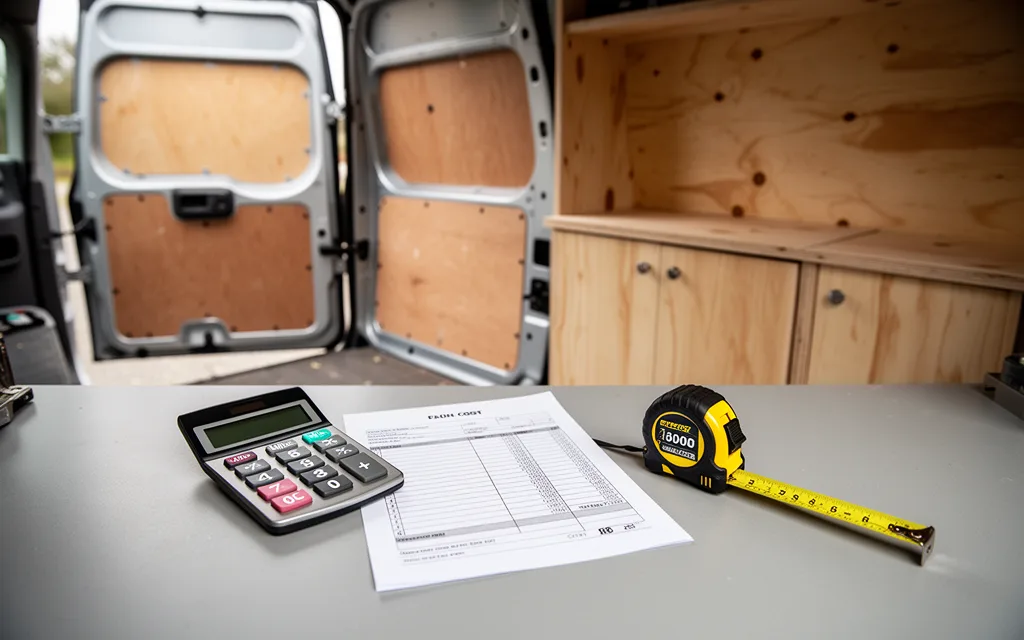
For campervan converters seeking the best camper van budget solutions, balancing affordability with durability is key. This guide cuts through the noise, offering actionable ideas like sourcing used appliances from salvage yards, repurposing materials for custom builds, and prioritizing energy-efficient systems to slash long-term costs. Whether you’re retrofitting a van for minimalist travel or full-time living, these strategies focus on smart spending without compromising comfort. From DIY electrical setups to affordable insulation hacks, each tip is tailored to help converters maximize value while staying within financial limits—because a well-planned budget is the foundation of any successful conversion.
Top 5 Budget-Friendly Camper Van Conversion Ideas
Maximize comfort without overspending by focusing on smart, low-cost upgrades. Prioritize modifications that enhance functionality and durability while keeping expenses minimal.
- DIY Mattress on a Frame: Use a used mattress from a thrift store or online marketplace, paired with a simple platform frame made from repurposed wood or pallets. Add foam padding or memory foam inserts for extra comfort at a fraction of the cost of a custom mattress.
- Modular Storage Shelves: Build lightweight shelves from leftover lumber or repurposed materials like old doors. Install them vertically in unused spaces (e.g., above the bed or along walls) to free up floor area and organize gear efficiently.
- LED Lighting Kits: Replace traditional bulbs with adhesive-backed LED strips for under-cabinet, ceiling, or cabinet lighting. They’re energy-efficient, long-lasting, and available in waterproof variants for damp areas like bathrooms or kitchens.
- Portable Kitchen Setup: Opt for a compact, foldable camping stove instead of a built-in unit. Pair it with a cutting board from a hardware store and a colander repurposed as a sink. Use silicone mats or dish racks for easy cleanup.
- Insulation with Foam Boards: Line walls and ceilings with rigid foam insulation boards (available at hardware stores) to improve temperature control. Seal gaps with weatherstripping or caulk to reduce drafts and energy loss.
Cost-Effective Material Choices for Van Conversions
Choosing affordable yet durable materials is critical for van conversions without sacrificing quality. Prioritize options that balance longevity with budget constraints, focusing on flooring, insulation, and furniture. Researching suppliers and comparing price ranges can save hundreds of dollars.
- Flooring: Opt for vinyl or linoleum (cost: $1–$3/sq ft), which resists moisture and wear. Thrift stores and online marketplaces like eBay often sell used flooring at 50–70% off retail prices.
- Insulation: Foam board insulation (e.g., XPS or polyiso) offers superior thermal performance at $0.50–$1.50/sq ft. Bulk purchases from suppliers like InsulationDirect.com reduce costs by 20–30%. For DIYers, recycled denim insulation (around $1–$2/sq ft) is eco-friendly and easy to install.
- Furniture: Reclaimed wood or metal from salvage yards ($50–$150 for a table) adds character and durability. Modular furniture kits (e.g., foldable beds) from budget brands like IKEA or Amazon cost $200–$400, offering flexibility in small spaces
Smart Space-Saving Design Solutions
Optimize your van’s footprint with layouts that prioritize flexibility and function. Consider a fold-out kitchen island that doubles as a dining table, or a bed frame with built-in drawers beneath the mattress to store clothing and gear. Use the van’s existing structure creatively—install overhead storage bins above the bed or under the roof for seasonal items, and mount a retractable ladder to access these spaces without sacrificing floor area. For seating, choose a bench with hidden compartments or a sofa that converts into a sleeping platform. Materials matter: lightweight, durable options like aluminum or composite wood keep costs low while maximizing strength.
- Multi-use furniture: A dining table that folds into a wall-mounted panel, or a workbench that converts into a desk for cooking or crafting.
- Vertical storage: Install shelves along the walls or use the space above the fridge for lightweight items like books or camping gear.
- Modular systems: Use sliding drawers or stackable containers to organize tools, linens, and supplies efficiently without permanent fixtures.
- DIY hacks: Repurpose old furniture (e.g., a camping cot as a bed) or use affordable, secondhand materials for custom builds—see van conversion ideas on a budget for inspiration.
These strategies minimize clutter while ensuring every inch serves multiple purposes, making your van both livable and adaptable for different trips.
Advertisement300 × 250Ad spaceDIY vs. Professional Installation: Budget Considerations
Choosing between DIY and professional installation hinges on your skill level, time availability, and long-term costs. DIY projects can save 30–50% on labor, but require upfront investment in tools and materials. For tasks like insulation, basic wiring, or cabinetry, DIY is viable if you have experience with carpentry or electrical work. Use affordable materials like foam board insulation or secondhand cabinetry to stretch your budget. However, complex systems—such as plumbing, HVAC, or electrical panel upgrades—often demand professional expertise to avoid costly errors. A licensed electrician, for example, ensures compliance with safety codes, reducing risks of fire or electrical failure.
- DIY-friendly tasks: Insulation, wall paneling, basic lighting, and simple storage solutions. Use guides from best budget van conversion ideas to source materials cheaply.
- Professional tasks: Plumbing, gas line installation, structural modifications, and electrical systems. These require specialized tools and certifications.
- Hybrid approach: Handle low-risk, high-impact projects yourself (e.g., painting, flooring) while outsourcing critical work. This balances cost and quality.
Factor in hidden costs: DIY may lead to rework if mistakes occur, while professionals guarantee warranties and compliance. For first-time converters, prioritize hiring pros for high-stakes tasks and tackle simpler projects later as skills improve.
Free and Low-Cost Resources for Van Converters
Van converters can save thousands by tapping into free and low-cost resources. Online communities like r/vanlife and Facebook’s Van Life Community offer peer-to-peer advice on sourcing materials, troubleshooting builds, and negotiating bulk discounts at hardware stores. These groups often share leads on free or discounted items, like discarded appliances or surplus lumber from local businesses.
- Open-source plans: Websites like VanLifePlans and Instructables host downloadable blueprints and step-by-step guides for electrical layouts, insulation techniques, and modular furniture. Search for “DIY camper van plans” to find templates tailored to budget-friendly materials like plywood and secondhand fixtures.
- Free toolkits: The Escapee’s Toolkit provides free checklists for van conversion stages, while VanDome offers downloadable guides on plumbing, wiring, and storage solutions. Apps like SketchUp allow free 3D modeling of van interiors to optimize space before purchasing materials.
- Local networks: Join Couchsurfing or Meetup groups for van conversion workshops, where experienced converters often share tools, tips, and surplus supplies at no cost.
These resources reduce trial-and-error costs and connect converters to practical, budget-driven solutions without compromising quality or functionality.
Related reading
Leave a Reply