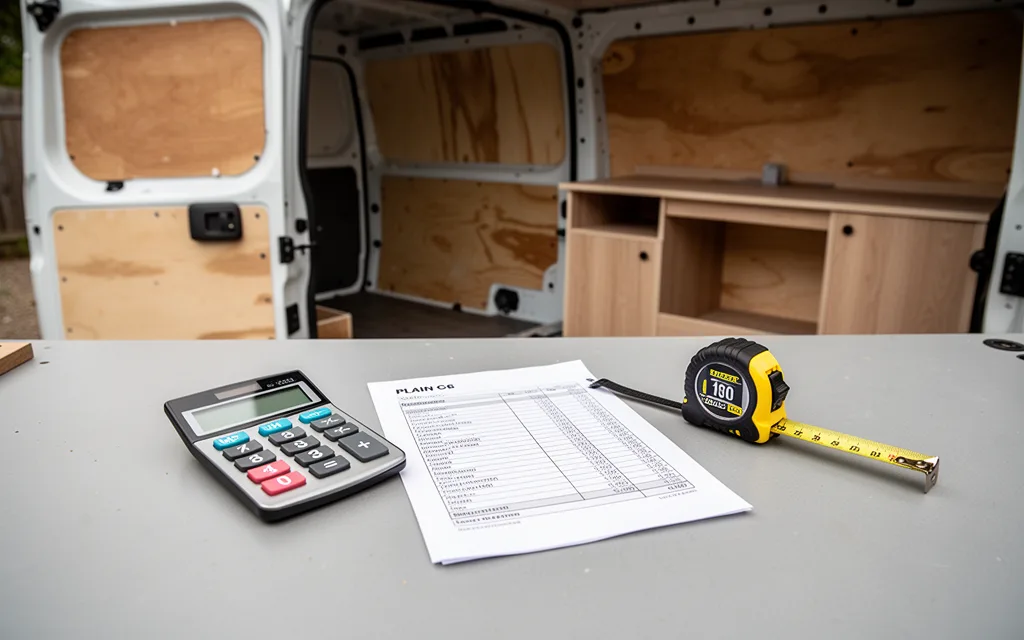
Considering a van conversion? Buyers often overlook the potential of repurposing a used van to create a functional, personalized space without breaking the bank. The key lies in balancing cost and quality—prioritize essential upgrades like insulation, electrical systems, and durable flooring while sourcing materials from thrift stores or online marketplaces. Focus on a minimalist layout to reduce expenses, and consider DIY installations to cut labor costs. By strategically allocating your budget and avoiding unnecessary luxury features, you can achieve a practical, stylish van conversion that meets your needs without exceeding financial limits. Start by researching second-hand vans and comparing conversion kits to identify the best value for your goals.
Understanding the Basics of Van Conversions
A van conversion involves transforming a standard van—often a cargo or passenger model—into a functional, self-contained space tailored for living, working, or traveling. This process typically includes installing custom flooring, insulation, electrical systems, and modular furniture to create a compact yet practical environment. Key features often added include sleeping quarters, kitchenettes, storage solutions, and workspaces, depending on the user’s needs. For example, a remote worker might prioritize a dedicated desk and internet setup, while a full-time traveler might focus on a comfortable bed and compact bathroom.
The popularity of van conversions stems from their versatility and cost-effectiveness. Unlike traditional housing or commercial spaces, a converted van offers mobility, allowing users to live or work from anywhere without long-term commitments. This makes it ideal for digital nomads, entrepreneurs, or those seeking a minimalist lifestyle. Additionally, van conversions can be customized to fit specific budgets—prioritizing essentials like sleeping areas and power systems while skipping non-essential upgrades. The rise of remote work and the growing interest in off-grid living have further fueled demand, as buyers seek affordable, flexible alternatives to conventional living arrangements. When done thoughtfully, a van conversion can provide a surprisingly efficient blend of comfort and functionality, making it a compelling choice for those valuing freedom and adaptability.
aining
Budget-Friendly Materials and Suppliers
Choosing the right materials and suppliers can drastically reduce costs without sacrificing quality. Start with affordable yet durable options like 3/4-inch CDX plywood for flooring and walls—available at hardware stores like Menards or Ace Hardware for under $15 per sheet. For insulation, opt for fiberglass batts (around $10–$15 per 12-foot roll) or spray foam kits (starting at $20 for 10-ounce cans) from suppliers like Lowe’s or Amazon. Recycled materials, such as reclaimed wood from salvage yards or secondhand furniture from Facebook Marketplace, add character while cutting costs.
- Hardware Stores: Ace Hardware, Menards, and Home Depot offer bulk discounts on lumber, screws, and hinges. Use their price-match policies to save further.
- Online Retailers: eBay and Amazon sell used van conversion kits (e.g., LED lighting, shower pans) at 30–50% off new prices. Search for “van conversion DIY” to find deals.
- Local Suppliers: Check with local salvage yards for free or low-cost materials like metal sheets or glass. Some auto parts stores even sell used van components at discounted rates.
For budget-friendly tools, rent power drills or saws from Home Depot’s tool rental program (as low as $5/day). Always compare prices across platforms and buy in bulk when possible. A resource like VanLife’s guide to cheap van conversions can help identify overlooked cost-saving strategies, such as using duct tape for temporary fixes or repurposing old camping gear. Prioritize materials that balance durability with affordability, ensuring your project stays on track financially.
DIY vs. Professional Conversion: Cost Comparison
Choosing between DIY and professional van conversion hinges on upfront investment, time, and long-term value. DIY projects typically save 30–50% on labor costs, but require significant time, skill, and material planning. For example, installing electrical systems or insulation yourself may cost $200–$500 in materials, but errors could lead to rework or safety issues. Conversely, professionals charge $50–$100/hour for labor, with total costs often 20–40% higher than DIY, though their expertise reduces risks of costly mistakes. A full professional conversion might range from $15,000–$30,000, while a DIY version could stay under $10,000 if you source materials wisely. However, DIY buyers must factor in hidden costs like tool rentals, waste disposal, and potential delays from learning curves. For budget-conscious buyers, a hybrid approach—handling simple tasks like painting or flooring yourself while outsourcing complex work like plumbing or electrical systems—can balance cost and quality. Always compare quotes from multiple professionals, as prices vary widely based on location and craftsmanship. If you’re unsure where to start, our van conversion ideas on a budget guide offers actionable tips for maximizing savings during planning. Ultimately, DIY suits those with time and technical skills, while professionals ensure efficiency and durability—both options require careful budgeting to avoid overspending.
- DIY pros: Lower labor costs, full customization control, potential for leftover materials.
- DIY cons: Time-intensive, risk of errors, limited warranty coverage.
- Professional pros: Faster completion, guaranteed quality, included warranties and permits.
- Professional cons: Higher upfront costs, less flexibility in design choices.
Maximizing Space Without Extra Cost
Optimize your van’s interior by repurposing existing structures and using affordable, DIY solutions. Start by mapping out your workflow—prioritize areas like sleeping, cooking, and storage to avoid clutter. Use the van’s natural curves, such as the roofline, to install overhead bins or hanging organizers made from repurposed materials like old pallets or tension rods. For sleeping, consider a fold-out mattress that doubles as a seating area during the day, or a loft bed frame built from scrap wood and adjustable brackets.
- Vertical storage: Install floating shelves or magnetic strips on walls to hold tools, cookware, or small items without drilling. Use the space under the van’s floor for storage bins or a hidden compartment.
- Collapsible furniture: Opt for lightweight, foldable tables and chairs that stow away easily. Look for secondhand options or build your own using affordable materials like MDF or PVC pipes.
- Modular organization: Use stackable containers, drawer dividers, and vacuum-sealed bags to maximize drawer and cabinet space. Label everything to streamline access.
- Smart lighting: Add LED strips under cabinets or along the ceiling to brighten dark corners without costly upgrades. These can be powered by a portable battery pack.
Before making cuts or purchases, sketch a layout and use our van conversion budget spreadsheet to track costs and ensure your design stays within limits. Prioritize flexibility—choose furniture and storage systems that adapt to different needs, like a kitchen counter that converts into a workspace. With careful planning, you can create a functional, spacious interior without breaking the bank.
Where to Buy Pre-Converted Vans at a Discount
Pre-converted vans can save you time and money by skipping the DIY build process. Start by exploring online marketplaces like eBay, which has a “Vans & Campers” category with listings from private sellers and small businesses. Filter by price and location to find deals, and look for sellers with high ratings and detailed photos. Platforms like Craigslist and Facebook Marketplace are also valuable for local listings—often with lower prices and the chance to inspect the van in person. Check forums like r/vanlife or r/overlanding for community recommendations and direct links to sellers.
- VanLife.com: A niche site with pre-converted vans tailored for full-time living, often with warranties and professional builds.
- Overland Expo: Offers converted vans designed for off-road use, with options for both new and used models.
- Local classifieds: Visit stores like Goodwill or ThriftScout for budget-friendly, lightly used conversions.
- Facebook groups: Search for “van conversion for sale” in your area—many sellers post directly in local communities.
When evaluating a pre-converted van, prioritize clear photos of the electrical system, insulation, and storage. Ask the seller for a video walkthrough and request proof of any certifications (e.g., fire-rated materials). Avoid overpaying for “luxury” features unless they align with your needs—stick to essentials like a functional kitchen, sleeping area, and reliable power sources. Always negotiate, especially on platforms
Leave a Reply