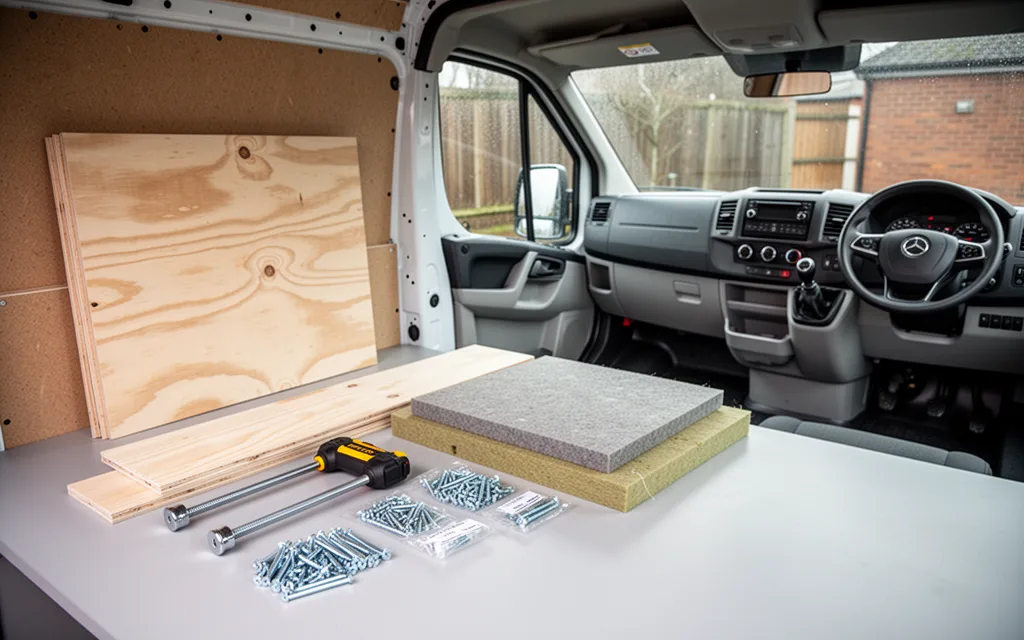
For UK-based van converters, navigating the world of van conversion kits uk can feel both exciting and overwhelming. Whether you’re building a campervan, a mobile workspace, or a bespoke living space, the right tools and materials make all the difference. This article focuses on practical, no-nonsense ideas tailored to UK conditions—think insulation for damp climates, electrical systems compliant with UK regulations, and layouts that maximize small spaces. We’ll explore budget-friendly upgrades, DIY-friendly components, and how to source quality van conversion kits uk without breaking the bank. The goal? Help you streamline your project with ideas that balance creativity and functionality, ensuring your converted van meets both your needs and the UK’s practical realities.
Understanding the Key Components of Van Conversion Kits UK
Van conversion kits in the UK typically include core elements designed for durability, compliance with local regulations, and comfort in variable climates. Insulation is critical, with kits often featuring polyisocyanurate (PIR) boards or sheep’s wool for thermal efficiency. These materials help retain heat in colder months and reduce condensation, a common issue in UK vans due to high humidity and frequent rain. Look for kits with vapour barriers to prevent moisture buildup in walls and ceilings.
- Flooring: Most kits use moisture-resistant materials like vinyl, laminate, or rubber. These options are easy to clean and withstand spills from UK weather or camping activities. Some kits include raised flooring systems to allow airflow and prevent dampness.
- Electrical Systems: UK kits must align with 230V standards and include RCD (residual current device) protection. Wiring is often pre-planned for lighting, sockets, and appliances like fridges or small cookers. Solar panel integration is increasingly common, with kits offering battery storage solutions for off-grid use.
- Structural Elements: Kits may include pre-cut timber or aluminium frames for walls and partitions, ensuring compliance with UK building regulations for load-bearing and fire safety. Some providers offer modular systems for flexibility in layout.
- Interior Finishes: Kits often come with pre-attached wall panels, ceiling tiles, or cabinetry. These are chosen for ease of installation and resistance to UK weather conditions, such as mildew-resistant coatings.
When selecting a kit, consider local climate demands, such as insulation thickness for colder regions, and ensure electrical components meet UK safety certifications like BS EN 60335 for appliances.
Top 5 Van Conversion Kits for UK Converters
When selecting a van conversion kit in the UK, prioritise adaptability to local climate conditions, compliance with UK vehicle regulations, and ease of integration with UK power grids. Below are five kits frequently recommended by converters for their balance of functionality and build quality:
- VanLife UK Modular Kit: Ideal for minimalist campers, featuring lightweight aluminium frames and pre-drilled insulation panels. Includes a 12V electrical system compatible with UK solar setups. Suitable for short-term conversions or first-time projects.
- EcoVan Pro Series: Focuses on sustainability, with recycled materials and a thermal insulation system rated for UK winters. Includes a 240V inverter and water-tight flooring—perfect for long-term, family-friendly conversions.
- CamperBox UK Edition: Pre-fabricated sleeping pods and kitchen units, designed for rapid installation. Offers a 3-phase electrical system for UK motorhomes and a weatherproof exterior—best for those prioritising speed over customisation.
- Wildcraft Flex Kit: Budget-friendly option with adjustable shelving and a DIY electrical kit. Requires more manual assembly but allows full customisation for unique layouts. Suitable for converters with prior experience.
- AlpineVan Premium Kit: High-end solution with integrated heating systems, composite flooring, and a 12V/240V dual-power setup. Includes UK-specific compliance documentation—ideal for commercial conversions or luxury builds.
For deeper insights into UK-specific kit requirements, consult the Van Conversion Association’s guide on regulatory standards and material choices.
How to Choose the Right Kit for Your UK Van Conversion
Start by assessing your budget, as this will narrow your options significantly. Entry-level kits (under £1,500) often include basic components like flooring and simple wall panels, ideal for minimalistic conversions. Mid-range kits (£1,500–£3,500) add features such as insulation, LED lighting, and modular storage—critical for UK climates and space efficiency. Premium kits (£3,500+) offer integrated systems like solar power, full electrical setups, and custom joinery, suited for long-term living. Cross-reference prices with simple van conversion ideas to align kits with your lifestyle goals.
- Measure your van’s interior precisely. UK vans vary in size, and kits must fit without compromising headroom or access to essentials like doors and windows.
- Consider insulation and weatherproofing. UK winters demand kits with thermal insulation and sealed joints to prevent drafts, which can be a hidden cost if overlooked.
- Match kit features to your usage. Full-time converters need durable, easy-to-clean materials, while weekend adventurers might prioritize lightweight, removable furniture.
- Check for UK-specific compliance, such as fire safety ratings for electrical systems and adherence to vehicle weight limits to avoid legal issues during inspections.
Finally, test kits with temporary setups if possible, or consult forums for UK-specific reviews. Prioritize adaptability—kits that allow future upgrades (e.g., adding a shower or expanding storage) save time and money long-term.
DIY Installation Tips for Van Conversion Kits UK
Self-installing van conversion kits in the UK requires precision, the right tools, and awareness of local regulations. Begin by gathering essentials: a set of metric wrenches and screwdrivers, a measuring tape, a level, and a multimeter for electrical checks. For structural work, a jigsaw or circular saw may be needed, while silicone sealant and insulation foam are vital for weatherproofing. Always wear safety gear, including gloves and goggles, to prevent injury during cutting or drilling.
- Alignment Challenges: Use templates or laser guides to ensure components like flooring or cabinets are level. Misalignment can cause long-term stress on the van’s frame.
- Electrical Wiring: UK van conversions must comply with Part P of the Building Regulations. Refer to diy van conversion kits uk – simple ideas for beginners for basics on wiring, and always double-check fuse ratings and earth connections.
- Climate Adaptation: Prioritize moisture-resistant materials, such as marine-grade plywood, to combat UK humidity. Ensure vents and insulation are installed to prevent condensation in colder months.
- UK-Specific Permits: Minor conversions may not require planning permission, but structural changes (e.g., removing walls) should be verified with local authorities to avoid legal issues later.
Plan your workflow in stages, testing components like sinks or electrical outlets before finalizing installations. Document each step for future reference, and consider joining UK van conversion forums for region-specific troubleshooting tips.
Where to Buy Van Conversion Kits in the UK
When sourcing van conversion kits in the UK, prioritise suppliers with a proven track record in the niche. VanLife UK offers a curated range of modular systems, including lightweight insulation and custom storage solutions, with delivery across the UK. Van Conversions Direct specialises in DIY kits for campervans and motorhomes, featuring UK-manufactured components like foldable tables and LED lighting. For bespoke options, The Van Conversion Company provides tailored kits with warranties and support from its Manchester-based team. Online platforms like Living Van and Van Conversion Shop also stock UK-sourced products, including water tanks and electrical systems compatible with UK voltage standards.
- Verify certifications: Ensure kits meet UK safety standards (e.g., BS EN 1264 for insulation) and have CE marking for electrical components.
- Check reviews: Look for feedback on durability and fit, particularly for van models popular in the UK (e.g., Ford Transit, Mercedes Sprinter).
- Compare materials: Opt for marine-grade aluminium or UV-resistant plastics for long-term use in UK weather conditions.
- Local support: Choose suppliers offering UK-based customer service for faster troubleshooting and replacements.
- Request samples: Some retailers allow testing of materials like insulation or flooring before purchase.
Always confirm compatibility with your van’s dimensions and existing systems (e.g., 12V vs. 24V electrical setups). Visiting trade shows like the UK Motorhome & Caravan Show can also connect you with suppliers for in-person consultations.
Leave a Reply