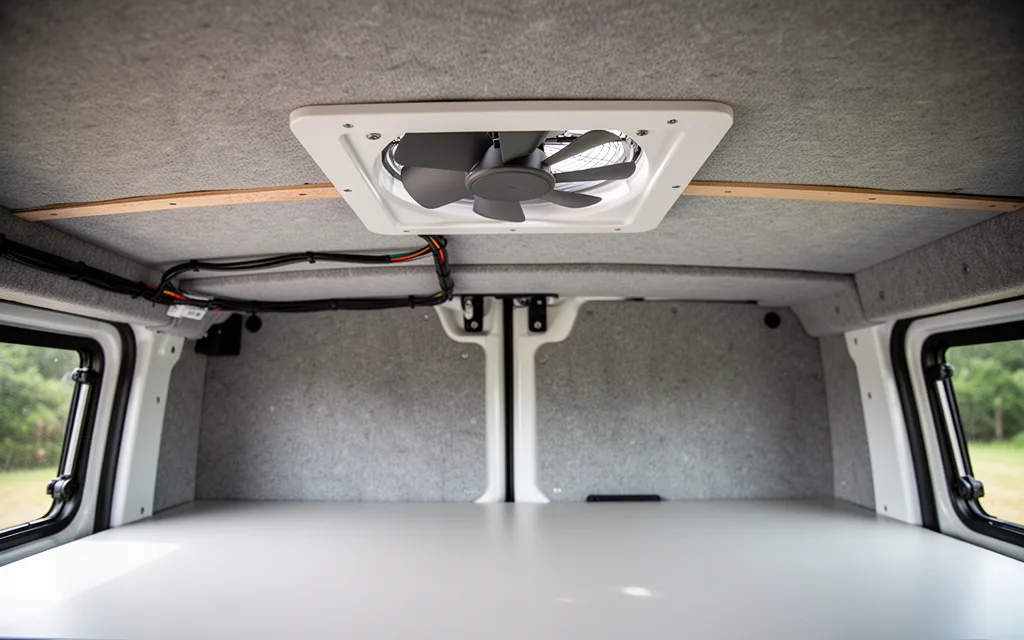
Keeping your camper van cool during hot weather is a challenge many van owners face, but the right camper van cooling options can make a world of difference. From portable air conditioners to solar-powered fans, the choice depends on your van’s setup, power availability, and travel style. Insulation, ventilation, and even DIY solutions like reflective window films are worth considering. Whether you’re camping in the desert or navigating urban heat islands, understanding your cooling needs ensures comfort and safety. Prioritize efficiency and reliability—your gear and sleep quality depend on it. Explore the best options tailored to your van’s unique requirements.
Understanding the Importance of Cooling in Camper Vans
Effective cooling in a camper van isn’t a luxury—it’s a necessity for survival in hot climates. Temperatures inside a van can soar 20–30°F (11–17°C) above external conditions due to heat absorption from metal and glass surfaces. Prolonged exposure to such environments risks dehydration, heat exhaustion, and even heatstroke, especially during long trips. For example, a 90°F (32°C) day can quickly turn a van into a 110°F (43°C) oven, making it impossible to sleep or function safely. Vulnerable groups, like children, the elderly, or those with chronic illnesses, are disproportionately affected, requiring immediate cooling solutions to prevent medical emergencies.
- Health risks: High temperatures impair cognitive function, increase heart strain, and accelerate dehydration. Without cooling, even short trips in arid regions like Arizona or Death Valley become hazardous.
- Food safety: Perishables spoil faster in uncooled vans, risking foodborne illness. A fridge without proper insulation or power can fail within hours, compromising meals and water supplies.
- Comfort and productivity: Sleep deprivation from heat reduces travel efficiency. Studies show temperatures above 85°F (29°C) disrupt sleep cycles, leading to fatigue and poor decision-making.
- Equipment longevity: Excessive heat damages electronics, batteries, and appliances. A poorly cooled van can shorten the lifespan of your solar system or water pump by 30–50%.
Choosing the right cooling system—whether portable AC, roof fans, or evaporative coolers—directly impacts your ability to travel safely, comfortably, and sustainably. Prioritize solutions that balance power efficiency, space, and reliability for extreme conditions.
Passive Cooling Techniques for Van Owners
Reducing interior temperatures without power relies on strategic use of shade, reflective surfaces, and insulation. These methods minimize heat absorption and retention, keeping your van comfortable during hot weather.
- Shade Solutions: Use UV-resistant tarps or shade sails to cover your van when parked. Position the van under trees or in shaded parking areas to block direct sunlight. For long-term use, consider installing a retractable awning or canopy with a light-colored, breathable fabric to reflect heat.
- Reflective Materials: Apply reflective window films or install light-colored roof coatings (e.g., white elastomeric paint) to deflect solar radiation. Aluminum-based insulation panels on the roof can further reduce heat transfer. A study by the U.S. Department of Energy highlights that reflective surfaces can lower surface temperatures by up to 50°F.
- Insulation Strategies: Line the van’s ceiling and walls with closed-cell foam or reflective insulation (like bubble wrap) to block heat infiltration. Seal gaps around doors and windows with weatherstripping or silicone caulk. For windows, use thermal curtains or blackout shades to prevent radiant heat from entering.
Combining these techniques creates a multi-layered defense against heat, reducing reliance on air conditioning and extending the lifespan of your van’s cooling systems.
Active Cooling Systems: Air Conditioners and Fans
When selecting an air conditioner for your camper van, weigh portable units against built-in systems. Portable ACs are ideal for temporary use, offering flexibility without permanent installation. However, they typically consume 1,500–2,500 watts of power, straining your van’s battery during extended use. Built-in units, while more energy-efficient (often 800–1,200 watts), require professional installation and integration with your van’s electrical system. Both options benefit from proper insulation, but built-in systems demand careful planning for ductwork and mounting. For extreme climates, consider hybrid setups—portable units for short trips and built-in systems for long-term stays. Always pair ACs with fans to improve airflow; ceiling or oscillating fans can reduce perceived temperature by 2–3°F, cutting energy use by up to 20%. When installing, prioritize ventilation: route exhaust ducts outside to avoid recirculating hot air. For built-in systems, consult cool van conversion ideas to optimize insulation and airflow design. Portable units should be placed near windows or vents for maximum efficiency. Monitor battery health—use solar panels or lithium batteries for off-grid setups. In humid regions, dehumidifiers paired with ACs prevent mold, but add 300–500 watts to your power needs. Test both systems in varying conditions: portable units may falter in 90+°F heat, while built-in systems maintain stability but require regular maintenance to avoid clogging from dust or debris.
Energy-Efficient Cooling Methods for Van Life
Solar-powered cooling systems are a game-changer for van lifers seeking sustainability. Mounting portable solar panels on your van’s roof and pairing them with a battery bank allows you to power mini-split air conditioners or portable solar coolers with Peltier modules. These systems eliminate reliance on generators, reducing fuel costs and noise. For smaller spaces, thermoelectric coolers (TEC) offer a quiet, energy-efficient alternative. They use the Peltier effect to transfer heat, consuming 30–50% less power than traditional compressors. TEC units are ideal for cooling food storage or small living areas, though they require adequate insulation to maintain efficiency.
- Smart thermostats integrate with your van’s electrical system to optimize cooling. Models with motion sensors or temperature-based automation can reduce energy waste by adjusting output based on occupancy or external conditions.
- Pairing a smart thermostat with a solar battery system enables off-grid temperature control, ensuring consistent comfort during long trips.
- Consider hybrid setups: use solar power during the day and switch to a thermoelectric cooler at night if battery capacity is limited.
For those building their own systems, our guide camper van cooling system ideas for DIY conversions provides step-by-step instructions on wiring, insulation, and component selection. Prioritize lightweight, low-power devices to balance cooling capacity with energy consumption, and always test systems in varying climates before long-term use.
DIY Cooling Solutions and Budget-Friendly Tips
For van owners on a budget, creative fixes can make a huge difference. Start with evaporative cooling: fill a plastic container with water, soak towels or sponges, and place them in front of a fan. Position the setup near a window or door to draw in hot air, cool it, and push it back out. For a low-cost upgrade, use a solar-powered water pump to keep the towels damp continuously. Ventilation is key—install mesh window screens to block insects while allowing airflow, and mount a box fan in the back window to create a draft. If your van has a roof hatch, use a portable fan to circulate air upward, pulling cooler air from below.
- Insulate strategically: Line your van’s ceiling and underfloor with reflective insulation (available at hardware stores) to block heat. Bubble wrap or foam boards can also be used to seal gaps between the van’s body and insulation layers.
- Seal leaks: Use weatherstripping or silicone caulk to close gaps around doors, windows, and vents. Even small cracks can let hot air in and cool air out.
- DIY shade: Hang blackout curtains or use old towels over windows during the day to reduce solar heat gain. For a temporary fix, tape aluminum foil to the inside of windows to reflect sunlight.
- Freeze water: Freeze water bottles and place them in your sleeping area or fridge to lower ambient temperatures without electricity.
Leave a Reply