Looking for
Top 5 DIY Van Conversion Kits for UK Enthusiasts
For UK-based DIYers, the right van conversion kit can transform a basic shell into a functional living space with minimal effort. Here are five beginner-friendly options that balance affordability, ease of use, and UK-specific practicality:
- Van Conversions UK Modular Kit – Ideal for first-timers, this kit includes pre-drilled panels, insulation, and a lightweight aluminium framework. Features a 10-year warranty and compliance with UK road safety standards. Available at vanconversionsuk.com.
- Wildwood Camper Van Kit – Focused on durability, this kit uses marine-grade materials and includes a pre-fitted kitchenette and solar panel system. Designed for off-grid UK adventures, with step-by-step guides for assembly. Find it at wildwoodcampervans.com.
- The Van Life Co. Starter Pack – A budget-friendly option with pre-fabricated units for sleeping, cooking, and storage. Includes a moisture-resistant floor system and UK-approved electrical wiring. Sold via vanlife.co.uk.
- EcoVan Zero-Waste Kit – Targets eco-conscious converters with recycled materials, composting toilets, and rainwater harvesting systems. Requires no prior experience and is compatible with UK climate conditions. Learn more at ecovan.co.uk.
- Camper Van Conversions Basic Kit – Offers a flexible layout with adjustable shelving and a fold-out workbench. Includes UK-specific insulation for damp climates and a 24-month parts guarantee. Available at campervanconversions.co.uk.
Step-by-Step Installation Guide for DIY Van Kits
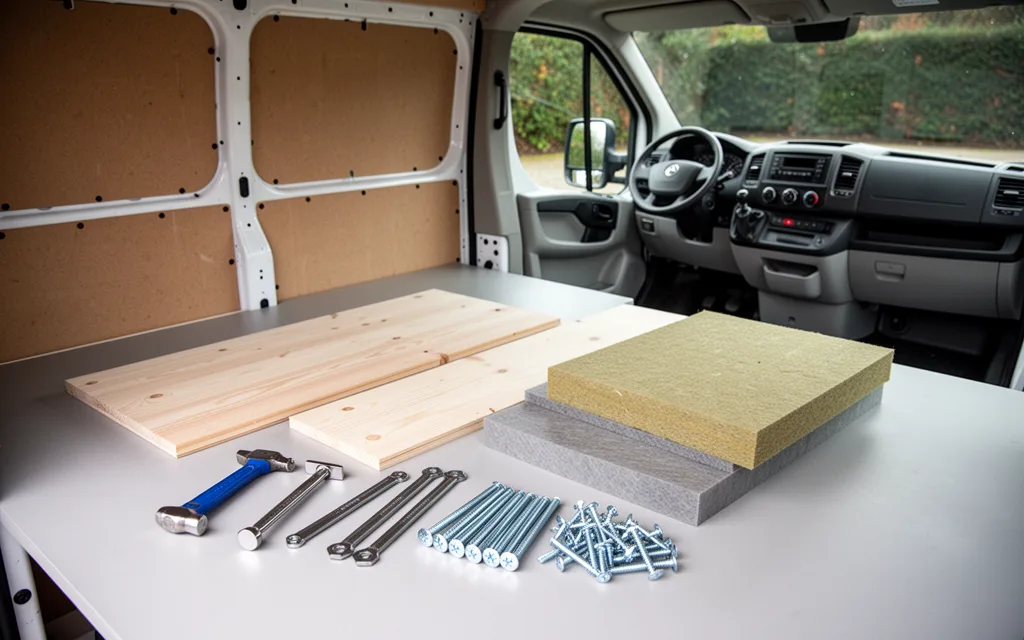
Begin by securing your van on a flat surface and disconnecting the battery to avoid electrical hazards. Gather tools like a torque wrench, level, and screwdrivers, and ensure you have all components from your kit, including insulation, flooring, and wall panels. For UK-based projects, consider using marine-grade materials to combat humidity and condensation, common in British weather.
- 1. Frame and Structure: Install floorboards first, ensuring they’re level and secured with screws. Use a level to check alignment, as uneven floors can cause issues later. For walls, attach framing rails to the van’s sides, spacing them 60cm apart for stability.
- 2. Insulation and Sealing: Apply insulation (e.g., sheep’s wool or PIR boards) between the van’s body and framing. Seal gaps with expanding foam to prevent drafts. In the UK, this step is critical for maintaining warmth during colder months.
- 3. Electrical Setup: Run cables for lighting, outlets, and appliances through pre-drilled holes. Use waterproof connectors and secure wiring with cable ties. Refer to the UK Electrical Safety Council guidelines to ensure compliance with local regulations.
- 4. Finishing Touches: Install wall panels, countertops, and cabinetry. Use silicone sealant on joints to prevent leaks. Test all electrical systems and reattach the battery before final checks.
After installation, inspect all connections and seals for leaks or instability. For UK-specific advice on materials and regulations, consult local DIY forums or suppliers like VanLife UK.
Budget-Friendly Tips for UK Van Conversion Projects
Keeping costs low while converting a van in the UK requires smart planning and resourcefulness. Start by sourcing materials from local second-hand stores, online marketplaces like eBay, or Facebook Marketplace—items like reclaimed wood, used appliances, and salvaged fixtures can drastically cut expenses. For example, a second-hand fridge from a local trader might cost a fraction of a new one, while still meeting UK energy efficiency standards. Prioritize DIY installation over hiring professionals; tasks like electrical wiring, shelving, and insulation can be tackled with online tutorials and basic tools. Always compare prices between UK retailers like B&Q, Screwfix, and specialist van conversion suppliers to find the best deals on essentials like insulation, flooring, and lighting.
- Repurpose existing items: Use old furniture, curtains, or even camping gear as van decor or storage solutions. A repurposed kitchen table can become a workbench, while old rugs can double as insulation under flooring.
- Opt for budget-friendly materials: Choose laminate countertops over solid wood, and use affordable LED strips for lighting instead of expensive overhead fixtures. UK-based companies like VanLife UK often offer cost-effective van-specific kits.
- Plan layouts carefully: Sketch your van’s interior before buying materials to avoid waste. Refer to simple van conversion ideas for layouts that maximize space without costly custom builds.
- Shop seasonally: Look for sales during UK events like Black Friday or end-of-season clearances for van-specific items like awnings, solar panels, or camping equipment.
Essential Tools and Materials for UK Van Conversions
Begin with a solid toolkit: a tape measure, spirit level, and laser level (available at Screwfix or B&Q) are non-negotiable for precision. Power tools like a cordless drill, jigsaw, and orbital sander will handle cutting and finishing tasks, while a set of metric wrenches, pliers, and a screwdriver kit (found at local hardware stores like Toolstation) ensures versatility. Safety gear—gloves, goggles, and a dust mask—is critical, especially when working with insulation or chemicals. For materials, invest in moisture-resistant flooring (e.g., vinyl or laminate from Home Depot UK), PIR insulation boards (available at Royal Insulation), and LED lighting kits. Electrical components like wiring, switches, and sockets should meet UK safety standards; check Electrical Safety First for guidelines. Plumbing supplies, such as flexible hoses and sink kits, can be sourced from specialist van conversion suppliers like Van Lifestyle. For budget-friendly options, explore local second-hand markets or online groups like Facebook’s “UK Van Conversion Supplies.” When selecting materials, cross-reference our guide diy van conversion kits – 5 best for first-time converters to ensure compatibility with your chosen kit.
Common Challenges and Solutions in UK Van Conversions
UK van conversions often face unique hurdles, from climate-specific insulation needs to navigating local building regulations. A frequent issue is inadequate insulation, leading to condensation and cold spots in damp UK weather. Use PIR (polyisocyanurate) foam or sheep’s wool for walls and floors, and ensure proper ventilation to prevent moisture buildup. Another common pitfall is underestimating the complexity of electrical systems—UK van conversions require compliance with BS 7671 (the wiring regulations). Invest in a dedicated circuit breaker and consult a qualified electrician for complex setups like battery systems or solar panels.
- Space optimization: Measure your van thoroughly before purchasing materials. Use foldable furniture, modular storage, and vertical space (e.g., overhead shelves) to maximize room without compromising comfort.
- Waterproofing: Seal all gaps around windows, doors, and roof panels with silicone-based sealants. Install a secondary drainage system under the van to prevent water pooling during rain.
- Planning permits: Check with local councils for any restrictions on van conversions, especially if you intend to live in the vehicle full-time. Some areas require adherence to specific size or safety standards.
- Tool limitations: UK DIYers often lack specialized van-conversion tools. Rent or purchase lightweight, portable equipment like angle grinders or multi-tools for precise cuts and installations.
Leave a Reply