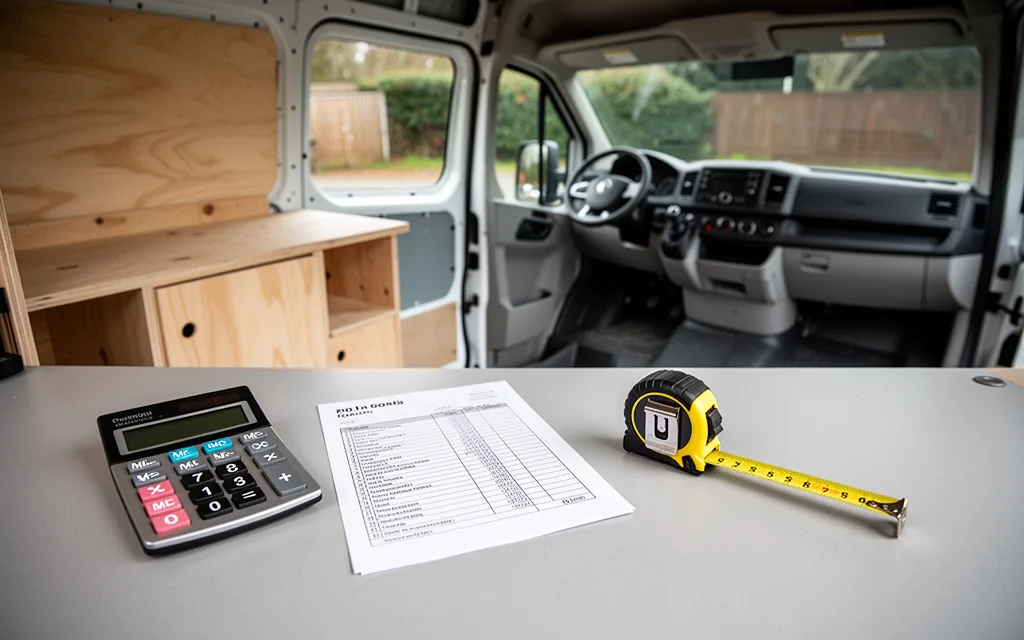
Understanding the van conversion uk cost is crucial for anyone planning to transform their vehicle into a functional living space. Whether you’re aiming for a minimalist setup or a fully equipped home-on-wheels, budgeting requires careful consideration of materials, labor, and design choices. Costs typically range from £10,000 to £30,000, depending on the van’s size, insulation quality, and added features like solar panels or plumbing. Prioritize essentials—such as structural modifications and safety systems—before allocating funds to luxury upgrades. Researching local UK converters and comparing quotes can help you stay within your budget while ensuring quality craftsmanship. A well-planned approach ensures your conversion meets both practical and financial goals without unnecessary overspending.
Understanding Average Van Conversion Costs in the UK
Van conversion costs in the UK vary widely depending on the scope of work, materials, and level of customization. A basic conversion—ideal for minimalists or those prioritizing affordability—typically ranges from £10,000 to £20,000. This usually includes essential features like a simple bed, a basic kitchenette, and minimal insulation. Mid-range conversions, suitable for long-term living or frequent travel, cost between £25,000 and £45,000. These often include proper insulation, a fully functional kitchen, a separate sleeping area, and upgraded electrical systems. Luxury conversions, designed for comfort and high-end living, start at £50,000 and can exceed £100,000. These may feature underfloor heating, premium materials (e.g., solid wood flooring or fibreglass countertops), and advanced systems like solar power or smart home technology.
- Basic: £10,000–£20,000. Focuses on essentials; limited storage and basic electrical upgrades.
- Mid-range: £25,000–£45,000. Includes proper insulation, a functional kitchen, and upgraded plumbing.
- Luxury: £50,000+. Custom designs, high-quality materials, and advanced systems (e.g., air conditioning, smart home integration).
Costs also depend on the van’s size and original condition. Larger vans (e.g., 3.5-tonne or 7.5-tonne models) allow more space but may require additional structural reinforcement, increasing expenses. Location matters too: conversions in urban areas like London often cost 10–15% more due to higher labor rates. Always factor in hidden costs, such as permits, insurance, and ongoing maintenance. For example, a mid-range conversion might require £2,000–£5,000 for permits and registration. Budgeting 10–20% above the quoted price for unexpected upgrades or delays is prudent. Researching local suppliers and comparing quotes can help narrow down costs for your specific needs.
UK
Key Factors That Influence Van Conversion Pricing
The cost of converting a van in the UK depends on several interrelated factors, each of which can significantly alter the final price. Understanding these elements helps avoid budget overruns and ensures your project aligns with your financial goals.
- Van size and type: Larger vans (e.g., 3.5-tonne or 7.5-tonne models) require more materials and labor, increasing costs by 20–40% compared to smaller vans like the Ford Transit Custom. The base price of the van itself also varies, with used models often being 30–50% cheaper than new ones.
- Materials quality: Budget-friendly options like MDF and laminate cost £15–£30 per square meter, while premium materials (e.g., solid wood, stainless steel) can exceed £100 per square meter. Insulation and moisture-resistant treatments add £500–£1,500 to the total.
- Customization level: Pre-fabricated layouts (e.g., modular sleeping pods) save 25–35% compared to bespoke designs requiring custom joinery or unique spatial configurations.
- Additional features: Solar panels (£800–£2,000 for a 200W system), advanced HVAC (£1,000–£3,000), or smart home integration (£500–£1,500) can add 10–25% to the base conversion cost. Basic conversions (e.g., simple sleeping areas) start at £5,000, while luxury setups exceed £20,000.
For a breakdown of average costs by van type and feature, see VanConversionUK’s detailed cost analysis.
Budgeting Tips for a Successful Van Conversion
Start by itemizing costs based on your van’s condition and your lifestyle needs. A basic conversion (e.g., sleeping area, minimal electrical) might cost £5,000–£8,000, while full builds with insulation, solar panels, and custom furniture can exceed £15,000. Use a spreadsheet to track expenses, including materials, tools, and labor—whether you DIY or hire professionals. Prioritize essentials first: a sturdy frame, electrical systems, water storage, and a functional sleeping area. Non-essentials like luxury finishes or advanced tech can wait until later stages. Avoid the trap of “upgrade creep” by setting strict limits on discretionary spending. For example, opt for secondhand furniture or modular designs to cut costs without sacrificing comfort. Research local suppliers and compare prices for materials like insulation, plumbing, and electrical components—UK van conversion ideas uk van conversion ideas often highlight budget-friendly solutions. Always include a 10–15% contingency fund for unexpected expenses, such as damaged materials or last-minute design changes. Finally, avoid rushing the project; rushing increases the risk of costly errors. Allocate time for testing systems (e.g., water leaks, electrical connections) before finalizing installations. A phased approach—completing one area at a time—can also help manage cash flow and reduce stress. By focusing on core needs and planning meticulously, you’ll stay within budget while creating a van that meets your practical and lifestyle goals.
Cost Comparison: DIY vs. Professional Conversion
Choosing between a DIY van conversion and hiring a professional hinges on budget, timeline, and skill level. DIY projects typically save 30–50% upfront, but hidden costs like tool rental, material waste, and learning curves can erode savings. A professional conversion in the UK ranges from £15,000 to £30,000+, depending on complexity, while DIY builds often fall between £8,000 and £15,000 if you source materials yourself. However, DIYers must factor in time—expect 2–6 months for a full build, versus 2–4 weeks for a professional team.
- DIY Pros: Full control over design, potential savings on labor, and the satisfaction of hands-on work. Ideal for those with carpentry, electrical, or plumbing skills.
- DIY Cons: Risk of costly mistakes (e.g., improper insulation or wiring), time investment, and the need to manage permits and compliance alone.
- Professional Pros: Faster completion, guaranteed quality, and expertise in handling complex systems like HVAC or electrical layouts. Professionals also ensure compliance with UK regulations, reducing long-term risks.
- Professional Cons: Higher upfront cost, limited customization, and dependency on the contractor’s timeline and vision.
If opting for DIY, start with a detailed plan and invest in quality tools or kits. Our guide Van Conversion Kits UK: Top 10 Ideas for Your Build offers specific product recommendations to streamline material selection. For those prioritizing speed and reliability, professional conversions minimize surprises but require careful vetting of contractors to avoid overpaying for unnecessary upgrades.
How to Estimate Your Van Conversion Budget Accurately
Begin by defining your conversion’s purpose—whether it’s a weekend getaway, full-time living, or workspaces. This determines the complexity of features needed. Next, research van models: a used Ford Transit (2010–2015) typically costs £3,000–£6,000, while a newer Mercedes Sprinter may start at £8,000. Factor in depreciation if buying second-hand. List non-negotiables: e.g., a fixed bed requires £1,500–£3,000, while a fold-out sofa might cost £500–£1,000. Prioritize essentials like insulation (£500–£1,200) and electrical upgrades (£800–£2,000 for 240V systems). Compare quotes for materials: budget-grade ply (£10–£15/sq.m) vs. marine-grade (£20–£30/sq.m). Calculate labor costs—DIY saves £2,000–£5,000 but requires time; professional converters charge £30–£60/hour. Include permits (£100–£300 for planning permission in England) and insurance (£200–£500/year for modified vans). Anticipate hidden expenses: waste disposal (£200–£400), plumbing (£600–£1,500 for a compost toilet), and unexpected repairs. Allocate 10–15% of your total estimate for contingencies. Use online calculators like VanLifeUK’s budget tool to benchmark. Finally, visit local converters for in-person quotes—prices vary by region, with London averaging 20% more than rural areas. Document all costs in a spreadsheet to track spending as you progress.
Leave a Reply