Van conversion heating and cooling is a critical consideration for anyone turning a van into a livable space, balancing comfort with the unique challenges of compact, mobile environments. Whether you’re planning a cross-country road trip or a full-time nomadic lifestyle, effective climate control ensures year-round usability. From ductless mini-splits and portable AC units to radiant heating systems and solar-powered solutions, the right setup can transform your van into a cozy retreat. Prioritize insulation, airflow, and energy efficiency to maximize performance in extreme temperatures. Explore innovative ideas that fit your budget and lifestyle, ensuring your van remains comfortable no matter the season.
Efficient Heating Solutions for Van Conversions
When converting a van for full-time living, heating must balance compactness, safety, and energy efficiency. Propane heaters like the Mr. Heater Buddy are popular for their portability and rapid heat output, but require proper ventilation and carbon monoxide detectors. For off-grid setups, electric radiators such as the EcoSmart ESR-1500 offer zoned heating with low power draw (around 1500W), though they depend on solar or battery systems. Wood-burning stoves, like the Solo Stove Hex, provide long-lasting heat but demand space for fuel storage and a chimney or vent for smoke management. Consider insulation upgrades alongside any system—adding 1–2 inches of closed-cell foam in walls and ceilings can reduce heating demands by 20–30%. Hybrid systems, such as pairing a propane heater with a thermoelectric fan for air circulation, maximize efficiency in tight spaces. Always prioritize safety: install heat-resistant materials near heat sources, and avoid using space heaters in sleeping areas to prevent fire risks. For cold climates, look into dual-fuel systems that switch between propane and electric based on power availability. Lastly, test all systems in varied weather conditions before finalizing your setup to ensure reliability during winter months.
- Propane Heaters: Choose models with low oxygen depletion sensors and install exhaust vents to prevent carbon monoxide buildup.
- Electric Radiators: Opt for models with thermostats and low standby power consumption; pair with solar panels for energy independence.
- Wood-Burning Stoves: Ensure compliance with local fire codes and use catalytic converters to improve combustion efficiency and reduce smoke.
- Hybrid Systems: Combine a portable propane heater with a battery-powered fan to distribute heat evenly without overusing fuel.
Cooling Options for Van Conversions
Keeping a converted van cool in hot climates requires strategic planning. Portable air conditioners are a popular choice, but they demand careful setup. Look for models with low power consumption (150–300W) and a window exhaust hose to vent heat outside. Mounting the unit near the ceiling improves airflow, while a dehumidifier attachment can help in humid regions. For off-grid use, consider solar-powered units, though they may struggle in extreme heat. A 2023 review by Consumer Reports highlights models like the Whynter ARC-14S as reliable for small spaces.
- Evaporative Coolers: Ideal for dry climates, these units use water evaporation to lower temperatures. They consume less power than ACs (50–150W) and are silent, but they add humidity—avoid in rainy areas. Place the unit near a window for airflow and use a water reservoir with a 5–10L capacity.
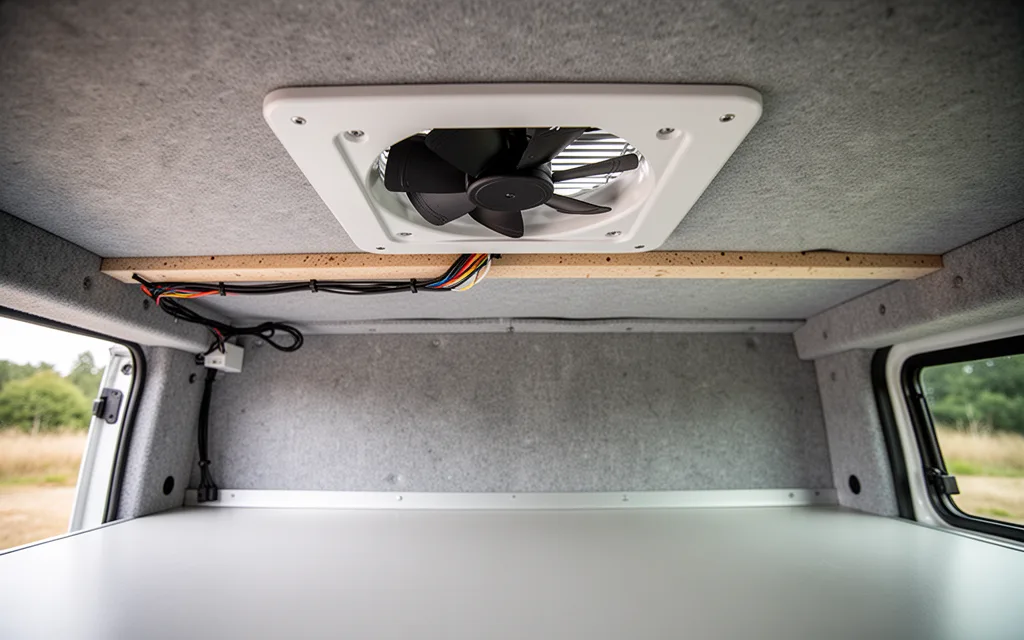
- Ventilation Strategies: Install roof vents or exhaust fans to create cross-ventilation. Pair with roll-down windows and reflective window films to block solar heat. For passive cooling, use shade tarps on the roof during the day and insulate walls with foam panels to reduce heat absorption.
- Hybrid Systems: Combine a portable AC with a ceiling fan for even cooling. In colder months, switch to a space heater with a thermostat to maintain comfort without overusing power.
Test each system in your van’s layout before finalizing. Prioritize energy efficiency and ease of installation, especially if you travel frequently.
berra
Insulation Techniques to Optimize Temperature Control
Effective insulation is the backbone of temperature regulation in a van. Prioritize materials with high R-values, such as closed-cell spray foam for walls and floors, which blocks heat transfer and resists moisture. For ceilings, rigid foam boards paired with reflective insulation can reduce summer heat gain by up to 40%. Seal gaps around doors, vents, and electrical panels with expanding foam or weatherstripping to prevent air leaks, which account for 20–30% of energy loss in un-insulated vans.
- Window treatments: Apply low-emissivity (Low-E) window films to reduce solar heat gain by 20–50%, and pair with thick, insulated curtains for nighttime retention. For cooling, cool van conversion ideas recommend using blackout shades to block sunlight during peak hours.
- Thermal barriers: Install radiant barriers in the ceiling, especially if using metal roofing, to reflect heat away. Use mass insulation (like fiberglass or cellulose) in walls for long-term stability, and consider adding a vapor barrier to prevent condensation in humid climates.
- Interior strategies: Line interior walls with 2–3 inches of rigid foam insulation, and use thermal underfloor mats to insulate from the van’s metal frame. For added efficiency, choose flooring materials with high thermal mass, such as concrete or tile, to absorb and release heat slowly.
DIY Heating and Cooling Projects for Van Enthusiasts
Custom solutions can drastically improve comfort without breaking the bank. Start with a solar-powered fan: mount a 10W solar panel on your roof, connect it to a 12V DC fan via a charge controller, and secure the fan near a window or vent. Use waterproof connectors and seal gaps to prevent leaks. For homemade insulation, cut rigid foam board to fit wall cavities, line with reflective insulation, and fill gaps with fiberglass batts. Seal seams with caulk to block drafts. A low-cost ventilation system can be built using a 4-inch duct, a window-mounted exhaust fan, and a DIY vent pipe routed through the roof. Attach a mesh screen to the exterior vent to keep debris out. These projects take 4–6 hours and cost under $100, but results vary based on van size and climate. For advanced cooling, combine these methods with strategies from camper van cooling options, which details evaporative coolers and shade solutions. Always test airflow with a smoke stick or incense before sealing insulation. Prioritize materials rated for outdoor use, and avoid overstuffing vents to maintain efficiency. Regular maintenance—cleaning fans and checking insulation integrity—keeps systems running smoothly during extreme weather.
Maintenance and Safety Tips for Van Climate Systems
Regular servicing and safety checks are critical to ensure your van’s heating and cooling systems operate efficiently and safely. Propane heaters, ductwork, and HVAC units require specific attention to prevent malfunctions, gas leaks, or electrical hazards. Start by inspecting propane lines and connections monthly for cracks or corrosion, and use a soapy water solution to detect leaks—bubbles indicate a breach. Replace any damaged components immediately. For electric heaters or AC units, check wiring and connections for fraying or overheating, and ensure all circuits are properly grounded to avoid fire risks.
- Filter maintenance: Clean or replace HVAC air filters every 3–6 months, depending on usage. Clogged filters strain the system and reduce airflow efficiency.
- Carbon monoxide detection: Install a CO detector near sleeping areas and test it weekly. Propane heaters must be vented externally to prevent CO buildup.
- Duct inspection: Check for blockages, tears, or insulation gaps in ductwork. Use weatherstripping or foam sealant to fix leaks and improve thermal efficiency.
- Refrigerant checks: If using a mini-split AC, monitor refrigerant levels annually. Low levels can damage the compressor and reduce cooling capacity.
- Professional inspections: Schedule annual checks with a certified technician for propane systems, electrical components, and HVAC units to ensure compliance with safety standards.
- Electrical safety: Avoid overloading circuits; use surge protectors for sensitive electronics. Replace frayed cords or damaged outlets immediately.
- Winter prep: Drain water from AC coils and use antifreeze in coolant systems if traveling in cold climates to prevent freezing and corrosion.
Proper maintenance not only extends the lifespan of your systems but also ensures reliability during long trips or harsh weather. Prioritize safety by adhering to manufacturer guidelines and local regulations for van conversions.
Leave a Reply