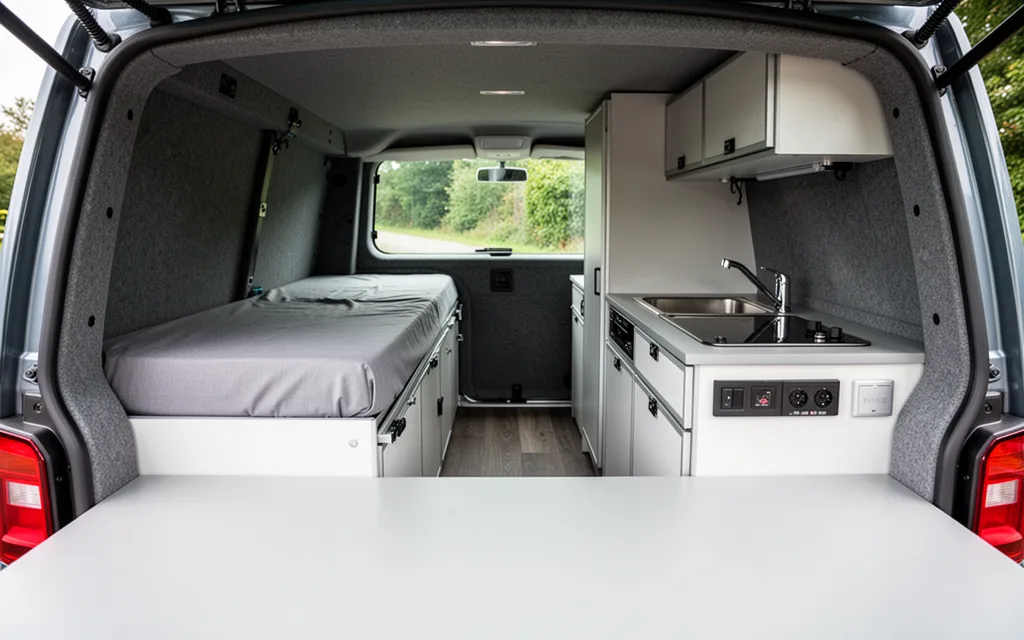
Keeping your camper van cool in summer is a challenge for van lifers, RV owners, and summer travelers, but with the right strategies, it’s entirely achievable. Heat buildup inside a metal shell can quickly turn your home-on-wheels into an oven, making comfort and safety a priority. Whether you’re parked under a tree or on a remote trail, how to keep camper van cool in summer hinges on proactive measures like insulation, reflective window covers, and efficient ventilation. From portable air conditioners to DIY shade solutions, this guide covers actionable steps to maintain a livable temperature. Prioritize airflow, block direct sunlight, and invest in cooling tools that fit your van’s layout—because staying comfortable shouldn’t require sacrificing your nomadic lifestyle.
Maximizing Natural Ventilation in Your Camper Van
Strategic airflow management can drastically reduce heat buildup without electricity. Prioritize cross-ventilation by opening windows on opposite sides of your van, ensuring they’re aligned at similar heights to create a direct airflow path. For vans with limited window placement, use side windows paired with roof vents to channel hot air upward and out. Install adjustable roof vents or solar-powered exhaust fans (if allowed by your setup) to amplify this effect, as they draw heat from the ceiling while pulling in cooler air from lower windows.
- Window positioning: Use awning windows or sliding windows for precise control; keep them open during the day and secure at night. Consider adding mesh screens to prevent insects without blocking airflow.
- Vent alignment: Install passive vents near the ceiling on the opposite side of intake windows. For example, a rear roof vent paired with a front window creates a natural chimney effect, expelling hot air efficiently.
- Interior adjustments: Rearrange furniture to avoid blocking vents or windows. Use lightweight, breathable curtains (e.g., cotton or mesh) instead of thick, insulated ones. Place sleeping areas near vents to improve personal airflow while resting.
- DIY airflow aids: Hang a DIY “air funnel” made from a plastic bottle cut to direct airflow toward vents. Use reflective window films to reduce solar heat gain, indirectly supporting ventilation by lowering internal temperatures.
These adjustments work best when combined with early-morning travel to avoid peak heat and parking in shaded areas during the day. Test airflow patterns in different weather conditions to refine your setup.
Insulation and Thermal Barrier Techniques
Proper insulation and thermal barriers are critical for maintaining a comfortable interior temperature in your camper van during summer. Start by installing reflective window covers made of aluminum or Mylar, which deflect up to 80% of solar heat. These covers should fit snugly with magnetic strips or Velcro to prevent gaps, and position them at an angle to avoid glare while maximizing heat rejection. For windows with limited space, consider roll-down shades with a reflective backing.
- Insulating materials: Add 1–2 inches of closed-cell foam board or spray foam to walls, floors, and ceilings. These materials have high R-values (thermal resistance) and block heat transfer. Seal gaps around doors and windows with weatherstripping or silicone caulk to prevent hot air infiltration. For a DIY solution, use reflective insulation panels (e.g., those with a bubble wrap layer) in hard-to-reach areas like under flooring.
- Thermal curtains: Hang thick, heavy-duty curtains with a thermal backing (such as wool or polyester) on all windows. Opt for curtains with blackout lining to block sunlight entirely. Use tension rods or hooks to ensure they
Cooling Systems and Power-Saving Solutions
Portable AC units are a top choice for van lifers, but opt for DC-powered models to avoid draining batteries. Look for units with adjustable thermostats and insulated ducting to minimize heat leakage. Evaporative coolers (swamp coolers) are ideal for dry climates, using water evaporation to lower temps without harsh chemicals—just ensure you have a steady water supply and clean the pads regularly. For low-power options, ceiling or window-mounted fans with variable speed settings and blade designs that maximize airflow (like reverse-cycle fans) can drastically improve comfort. Pair these with solar-powered fans to cut reliance on generators.
Advertisement300 × 250Ad space- Power-saving tip: Use solar panels rated for your van’s energy needs, and pair them with a battery bank to store excess power for cooling systems.
- Efficiency hack: Run AC or fans only when necessary, and use timers or smart thermostats to avoid overuse.
- Insulation matters: Seal gaps in windows and doors with weatherstripping, and add reflective window films to block sunlight. This reduces the load on cooling systems and ties into cool van conversion ideas for long-term comfort.
- Hybrid approach: Combine evaporative coolers with fans for better airflow, and use a portable AC as a backup during peak heat.
Always prioritize energy-efficient models and monitor battery levels—some systems can drain power quickly in extreme heat. Regular maintenance, like cleaning filters and checking for leaks, ensures longevity and performance.
Smart Storage and Interior Organization
Decluttering your van’s interior is the first step to reducing heat retention. Remove non-essential items that block airflow, especially near vents and windows. Use vertical storage solutions like overhead racks or magnetic wall mounts to free up floor space and prevent stagnant air pockets. For items you keep, invest in heat-reflective storage containers made from materials like aluminum or reflective-coated fabric. These containers minimize heat absorption and are ideal for storing electronics, clothing, or gear that’s sensitive to temperature fluctuations. Place them away from direct sunlight, ideally in shaded areas or behind curtains.
- Position heavy items low and centrally to maintain balance and avoid blocking airflow. Avoid stacking gear near the roof, where heat accumulates rapidly.
- Use under-bed storage for heavier objects, keeping them out of the way and reducing the risk of heat buildup near sleeping areas.
- Keep frequently used items accessible but organized—store them in mesh bins or on open shelves to allow air to circulate freely. Avoid overcrowding corners or behind furniture, which traps heat.
- Consider cool box placement when organizing. Refer to our guide camper van cool box ideas for van lifers for tips on positioning cool boxes near vents or in shaded zones to maximize cooling efficiency.
By prioritizing airflow and using heat-resistant materials, you’ll create a cooler, more functional space that adapts to summer conditions without sacrificing storage capacity.
Pre-Trip Maintenance and Heat-Resistant Materials
Before summer travel, prioritize maintenance to prevent heat buildup and ensure comfort. Start with a thorough inspection of seals and leaks, then upgrade materials to reflect or resist heat. This checklist ensures your van stays cool and functional during hot weather.
- Inspect door and window seals: Run your fingers along all seals to check for cracks, brittleness, or gaps. Replace any damaged seals with silicone or rubber alternatives designed for high temperatures.
- Test for roof and floor leaks: Use a garden hose to spray water over the roof and floor while inside the van. Look for drips or moisture, and repair damaged seals or fasteners immediately.
- Upgrade to heat-reflective flooring: Replace carpet with vinyl, tile, or aluminum sheeting. These materials absorb less heat and are easier to clean than fabric options.
- Choose heat-resistant countertops: Use stainless steel, tempered glass, or ceramic for kitchen and work areas. Avoid wood or plastic, which retain and radiate heat.
- Install mesh curtains: Use heat-resistant window shades with UV-blocking mesh panels to reduce solar gain without sacrificing airflow.
- Check insulation: Ensure ceiling and wall insulation is intact. Add reflective insulation (like bubble wrap or radiant barriers) in gaps to block heat transfer.
- Seal electrical and plumbing penetrations: Use high-temperature silicone caulk around wires, pipes, and vents to prevent hot air from entering through gaps.
Related reading
Leave a Reply