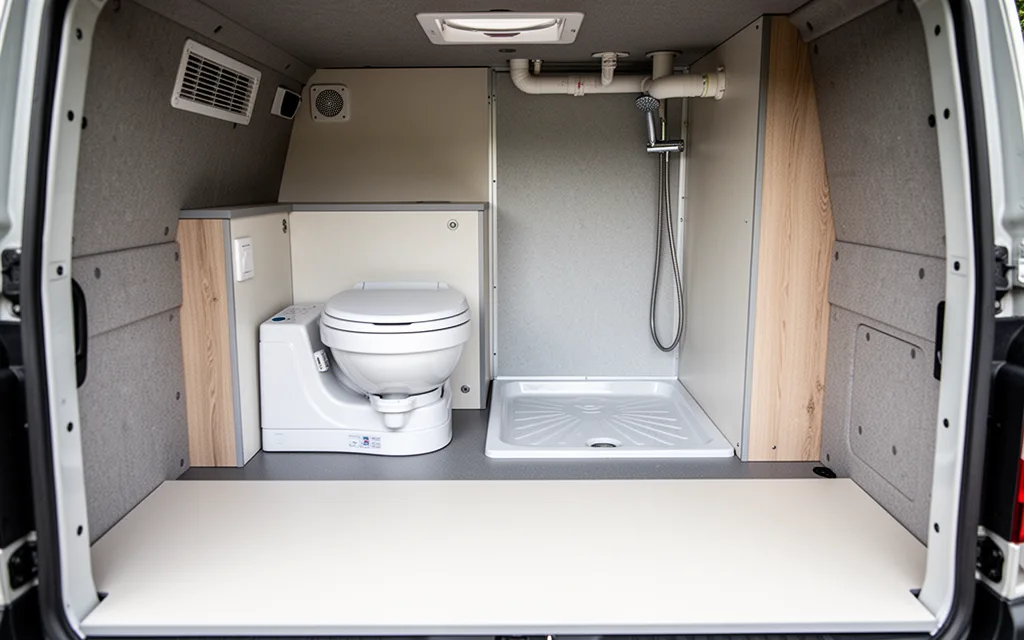
If you’re in the market for a used camper van, a well-equipped camper van bathroom for sale can make all the difference in your travel experience. Many buyers overlook the importance of a functional bathroom, but it’s essential for comfort during long trips. Look for models with compact, durable fixtures, efficient water storage, and easy-to-clean materials. Consider whether the van includes a portable toilet, shower system, or grey water tank—each affects usability. Price varies widely, so inspect for leaks, corrosion, and proper ventilation. A quality bathroom setup saves time and money in the long run, ensuring you stay refreshed on the road without sacrificing space or convenience. Prioritize practicality over aesthetics when evaluating options.
:
Key Features to Look for in a Camper Van Bathroom
When evaluating a camper van bathroom, prioritize components that balance functionality with compact design. Start by inspecting the **fresh water tank**—ideally made of stainless steel or food-grade plastic, with a capacity of 10–20 liters for basic use. Ensure it’s positioned near the van’s center of gravity to avoid uneven weight distribution. The **grey water tank** (for wastewater) should be similarly durable and equipped with a secure lid to prevent leaks during transit. Look for systems with a **gravity-fed flushing mechanism** for the toilet, as it’s simpler and less prone to mechanical failure than pressurized systems.
- Waste management type: Choose between a **cassette toilet** (easy to empty but may require chemical treatments) or a **composting toilet** (eco-friendly, odor-free, but needs regular maintenance). Composting systems often include a ventilation pipe for airflow.
- Space-saving fixtures: Opt for a **fold-down sink** with a retractable faucet, **showerheads** that pivot into the wall, and **under-floor storage** for toiletries. Materials like aluminum or composite panels add durability without bulk.
- Drainage and ventilation: A **shower drain** with a built-in filter prevents clogs, while a **ventilation fan** (or a window with a roof vent) reduces moisture buildup and mold risk. Check for **non-slip flooring** in wet areas.
- Accessibility: Ensure the layout accommodates mobility, with a **low-clearance toilet** and **ample legroom**. Avoid cramped designs that compromise comfort during long trips.
Top 5 Camper Van Bathrooms for Sale Online
When upgrading your van’s interior, prioritize bathrooms that balance space efficiency with long-term reliability. Below are five models tailored for specific needs and van types, verified by user reviews and industry benchmarks:
- Dometic CFX3000 – Ideal for compact layouts, this unit fits into 1.5m² spaces with a 20L freshwater tank and a dual-flush toilet. Its lightweight aluminum frame ensures durability on rough roads, and it’s compatible with most Class B vans.
- Thetford Aqua Magic 3000 – A favorite for its water-saving features, this model uses 30% less water than standard units while maintaining a 12L greywater tank. Perfect for van lifers prioritizing sustainability and low maintenance.
- Windego Compact Wet Bath – Built with marine-grade stainless steel, this unit resists corrosion and is designed for 2018+ Mercedes Sprinter vans. Its foldable shower curtain and integrated storage maximize space in narrow interiors.
- VanKon Modular Bathroom Kit – Offers a customizable layout with interchangeable components (sink, toilet, shower). Compatible with Ford Transit and Ram ProMaster models, it’s a top choice for DIYers seeking flexibility.
- Eazi-Bath 1000 – Budget-friendly yet robust, this model features a 15L tank and a corrosion-resistant polyethylene shell. Ideal for older vans like the 2005–2012 VW California, where retrofitting is common.
For deeper insights into compatibility and installation, consult CampervanLife’s 2023 bathroom guide, which ranks these models based on user feedback and technical specs.
Pricing and Value Comparison for Used Camper Van Bathrooms
Used camper van bathrooms typically range from $500 to $3,500, depending on materials, labor, and customization. Entry-level setups—often DIY or basic fiberglass units—fall between $500 and $1,200, while mid-range options with acrylic sinks, proper ventilation, and sealed flooring cost $1,500–$2,500. High-end conversions, featuring luxury materials like quartz countertops or heated floors, can exceed $3,000. Key factors influencing price include the original van’s age, the bathroom’s condition (e.g., leaks, mold), and whether it includes plumbing upgrades or waste-water systems. Units from reputable converters or those with modular designs (easier to install/replace) often command higher prices due to durability and resale value.
- Material quality: Fiberglass is cheaper but less durable than acrylic or solid surface materials, which are more common in mid-range setups.
- Plumbing complexity: Bathrooms with full waste-water systems (e.g., composting toilets, greywater tanks) add $500–$1,000 to the cost.
- Brand and labor: Pre-installed units from known van conversion companies may cost 20–30% more than DIY kits.
- Condition: Units with visible damage or outdated fixtures (e.g., 10+ years old) can reduce value by 30–50%.
For buyers prioritizing affordability, inspecting listings with van conversion bathroom ideas can highlight cost-saving features like minimalist layouts or repurposed fixtures. Always compare prices per square foot and verify if included components (e.g., shower pans, mirrors) align with your needs.
Installation Tips for DIY Camper Van Bathrooms
Begin by measuring your van’s interior to determine the bathroom’s footprint. Use a laser level and tape measure to mark cutouts for the sink, toilet, and shower. A jigsaw or circular saw will help cut into van walls or floors, but always wear safety gear. For the base, install a waterproof subfloor using marine-grade plywood and seal it with epoxy to prevent moisture damage. Common challenges include uneven surfaces—use shims and a level to ensure stability.
- Plumbing: Connect a portable water pump to the sink and toilet. Route waste water to a holding tank, sealing all joints with silicone to avoid leaks. Use a 1/2-inch copper pipe for drainage, and install a check valve to prevent backflow.
- Electrical: Mount a waterproof GFCI outlet near the sink. Run low-voltage LED lighting through waterproof conduit, and secure wiring with heat-resistant tape. Avoid overloading circuits—use a dedicated breaker if needed.
- Mounting fixtures: Use heavy-duty brackets for the toilet and sink. For showers, install a flexible showerhead and a drain with a hair trap. Ensure all components are secured to prevent vibration damage during travel.
For material selection, refer to our best camper van bathroom guide to choose durable, space-efficient components. Always test water flow and electrical connections before sealing the van. If leaks or wiring issues arise, address them immediately—delaying fixes can lead to mold or short circuits. Prioritize ventilation with a small exhaust fan to reduce condensation, and consider a composting toilet for off-grid convenience.
Customer Reviews and Ratings for Camper Van Bathrooms
Real buyers emphasize that bathroom systems vary drastically in durability and usability. For example, users of portable composting toilets often praise their low-maintenance design but note that odor control requires strict waste management. One reviewer on Vanlife.com reported their system lasted 18 months without leaks, while another criticized a cheaper model for clogging after two weeks of use. Wet bath systems, which integrate a shower and toilet in a single unit, receive mixed feedback: praised for space efficiency but frequently cited for poor drainage in rainy conditions.
- Composting systems: 4.2/5 stars on average, with top-rated models like the Nature’s Head receiving praise for odor containment and ease of emptying.
- Cassette toilets: Users highlight quick installation but warn that improper sealing can lead to leaks during transit. One buyer noted a 30% increase in maintenance time compared to composting systems.
- Shower systems: Systems with thermostatic valves (e.g., Dometic) score higher for consistent water pressure, though some report reduced flow in older vans with weak pumps.
- Space-saving designs: Foldable sinks and wall-mounted units earn high marks for minimizing clutter, but buyers stress the need to measure van interiors precisely before purchase.
- Reliability in rough terrain: Systems with reinforced tanks (e.g., Thetford) are frequently recommended for off-grid use, while lightweight models are prone to damage on bumpy roads.
Buyers advise prioritizing systems with corrosion-resistant materials and checking for user reviews on specific van models, as compatibility with existing plumbing can affect long-term satisfaction.
Leave a Reply