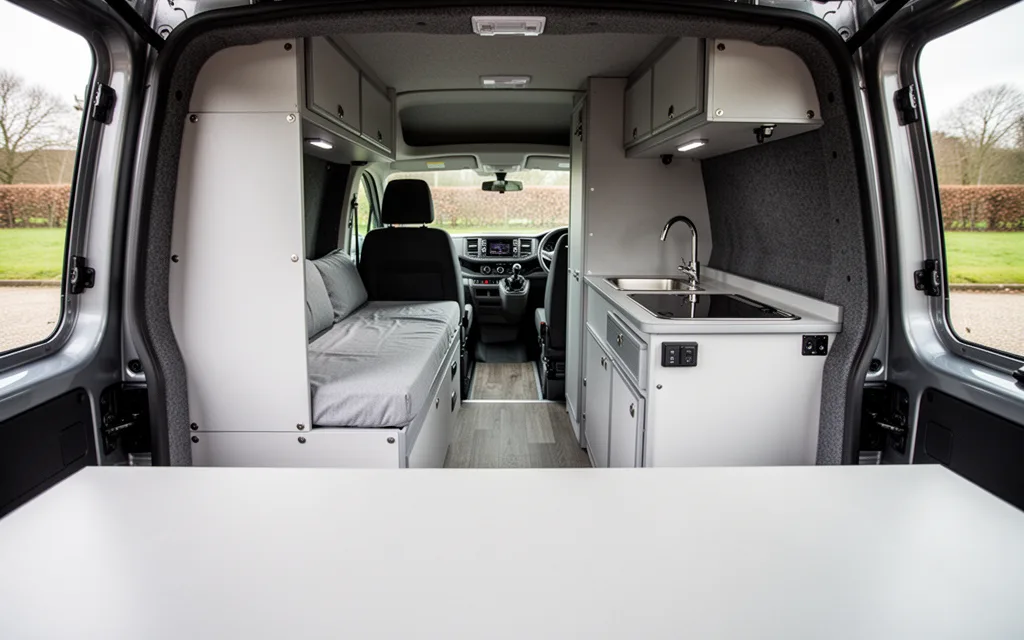
Whether you’re seeking a mobile home office, a weekend getaway, or a full-time living solution, UK van conversions offer a unique blend of practicality and creativity. In the UK, where weather varies dramatically, insulation, waterproofing, and efficient space use are non-negotiable. Consider modular furniture that doubles as storage, solar panels for off-grid power, or a compact kitchenette tailored to UK road trip needs. From repurposing old vans to custom builds, the UK’s van conversion scene thrives on innovation—balancing functionality with style. Explore ideas that suit your lifestyle, ensuring your converted van is as adaptable as it is resilient.
UK Van Conversion Regulations and Legal Requirements
Converting a van in the UK requires strict adherence to legal frameworks to ensure safety and compliance. Key considerations include:
- Vehicle Safety Standards: All modifications must comply with the UK’s Construction and Use Regulations 1986, which govern structural integrity, braking systems, and emissions. Fire extinguishers (minimum 2kg CO₂) must be installed if the van is used for commercial purposes or has sleeping areas.
- Licensing and Registration: A valid MOT certificate is mandatory for converted vans used on public roads. If the conversion alters the vehicle’s classification (e.g., adding a sleeping area), inform the DVLA via a V5C form to update the vehicle’s category. Commercial conversions may require a vehicle operator’s licence if used for hire or reward.
- Compliance with Transport Laws: Ensure modifications do not obstruct emergency exits, reduce visibility, or compromise stability. For campervans, drivers must hold a category B+E licence if the van exceeds 3.5 tonnes. Electrical systems must meet UK wiring regulations, and all lighting (brake lights, indicators) must function as per DVSA guidelines.
- Fire Safety: Vans with sleeping areas must have a fire blanket, smoke detectors, and a fire extinguisher. Compliance with the UK Fire Safety Regulations is non-negotiable for conversions used for overnight stays.
Failure to meet these requirements can result in fines, invalid insurance, or legal action. Always consult a certified conversion specialist and verify compliance with local councils or the DVSA before registering the vehicle.
Popular Materials and Suppliers in the UK
When converting a van in the UK, sourcing durable, locally available materials ensures quality and reduces shipping costs. For insulation, **PIR (polyisocyanurate) panels** from **Kingspan Insulation** are a top choice, offering high thermal efficiency and moisture resistance. **Celotex** also provides robust insulation options, including fire-retardant boards ideal for van walls and ceilings. Flooring should prioritize slip resistance and ease of cleaning; **Tarkett’s** vinyl tiles, available through UK distributors like **Flooring Superstore**, are lightweight and easy to install. For eco-friendly alternatives, **EcoTimber** offers FSC-certified bamboo flooring, while **Reclaimed Materials UK** sells upcycled wood and metal panels, reducing environmental impact.
- Insulation: Kingspan, Celotex, and **Thermoflex** (for flexible foam insulation).
- Flooring: Tarkett, Interface (for rubber flooring), and **Flooring UK** (for luxury vinyl options).
- Eco-friendly materials: EcoTimber, Reclaimed Materials UK, and **Green Building Store** (for low-VOC paints and recycled composites).
For suppliers, **Van Conversion Co.** and **Campervan Parts UK** are trusted hubs for van-specific
UK Van Conversion Communities and Forums
Connecting with fellow van lifers and converters in the UK can transform your project from a solo endeavor into a collaborative journey. Online forums like r/vanlifeuk and Facebook groups such as “UK Van Conversions & Lifestyle” are hubs for sharing blueprints, troubleshooting technical issues, and sourcing secondhand materials. These spaces often feature threads on insulation techniques, solar panel installations, and budget-friendly hacks tailored to UK climates. For those preferring in-person interaction, local meetups organized through Meetup.com or regional van conversion clubs (e.g., “Van Life Scotland” or “South East Van Community”) offer hands-on workshops and peer support. Many groups also host seasonal events, like “Van Show & Tell” gatherings, where members display completed builds and swap tools. When sourcing vans for conversion, van conversion uk for sale listings on platforms like VanLifeUK or Facebook Marketplace are frequently recommended by community members, who often share tips on negotiating prices and inspecting vehicles. Local hardware stores and recycling centers in cities like Bristol or Manchester also become regular stops for converters, with community members frequently recommending trusted suppliers. Engaging with these networks not only streamlines the conversion process but also fosters a sense of belonging among those navigating the unique challenges of UK van living.
Trending UK Van Conversion Styles and Designs
The UK’s unpredictable weather and compact living spaces have driven demand for van conversions that balance practicality with style. Minimalist interiors remain popular, emphasizing light-colored woods, foldable furniture, and hidden storage to maximize space. Thermal curtains and insulated walls are now standard, ensuring comfort during the UK’s damp winters. For those seeking adventure, off-grid setups are rising in popularity, featuring solar panel arrays, lithium battery systems, and composting toilets. These conversions often include rainwater harvesting and greywater recycling, critical for long-term sustainability in remote areas. Retro-modern aesthetics also dominate, blending mid-century furniture with smart tech—think exposed brick accents paired with energy-efficient heating and LED lighting. UK-specific adaptations, like raised flooring to combat condensation and waterproof vinyl flooring, are now common in van builds. When planning, consider the van conversion uk cost – budgeting guide to align your design choices with realistic spending limits, especially for high-cost components like insulation or solar systems. Whether you prioritize simplicity, self-sufficiency, or nostalgia, today’s UK van conversions are tailored to endure the climate while reflecting personal taste.
- Minimalist interiors: Use modular furniture and light-reflecting materials to create airy, clutter-free spaces. Thermal insulation and double-glazed windows are essential for UK winters.
- Off-grid setups: Prioritize solar power, water recycling, and battery storage. Include a backup generator for areas with unreliable access to electricity.
- Retro-modern aesthetics: Combine vintage decor (e.g., brass fixtures, wooden panels) with modern tech like smart thermostats and low-energy LED lighting.
Cost Breakdown for UK Van Conversions
Converting a van in the UK involves multiple cost factors, with regional differences significantly impacting total expenditure. Materials typically account for 30–45% of the budget, averaging £2,000–£6,000 depending on insulation, flooring, and fixture quality. Premium finishes or custom carpentry push costs higher, while budget kits (see Van Conversion Kits UK: Top 10 Ideas for Your Build) can reduce material expenses by 20–30%. Labor costs vary widely: £15–£25 per hour in London and the South East, £10–£18 in the Midlands and Wales, and £8–£15 in Scotland and Northern England. Full conversions often require 80–120 hours of work, translating to £1,200–£3,000 in labor alone. Permits and legal fees are minimal but necessary, averaging £200–£500 for planning applications or vehicle registration changes, with higher fees in London due to stricter local authority requirements. Hidden costs like waste disposal (£100–£300) and unexpected repairs (10–15% of total budget) should also be factored in. Total costs range from £10,000–£30,000, with luxury builds exceeding £50,000. Regions with higher living costs, such as the South East, see 25–35% more expenses than Scotland or Northern Ireland. Always compare quotes from local converters, as regional expertise can influence both price and build quality.
- Materials: £2,000–£6,000 (varies by kit quality and customization)
- Labor: £1,200–£3,000 (hourly rates depend on location and complexity)
- Permits: £200–£500 (higher in London and urban areas)
- Hidden costs: £100–£500 (waste, unexpected repairs, transport)
Related reading
- van conversion uk for sale
- van conversion uk cost – budgeting guide
- Van Conversion Kits UK: Top 10 Ideas for Your Build
- best van conversion uk
- Van Conversion Insurance UK: What You Need to Know
- best campervan conversion uk
- best van conversion companies uk
- best van conversion insurance uk
- Camper Van UK for Sale – Find Deals & Listings
- best van conversion motorhomes uk
Leave a Reply