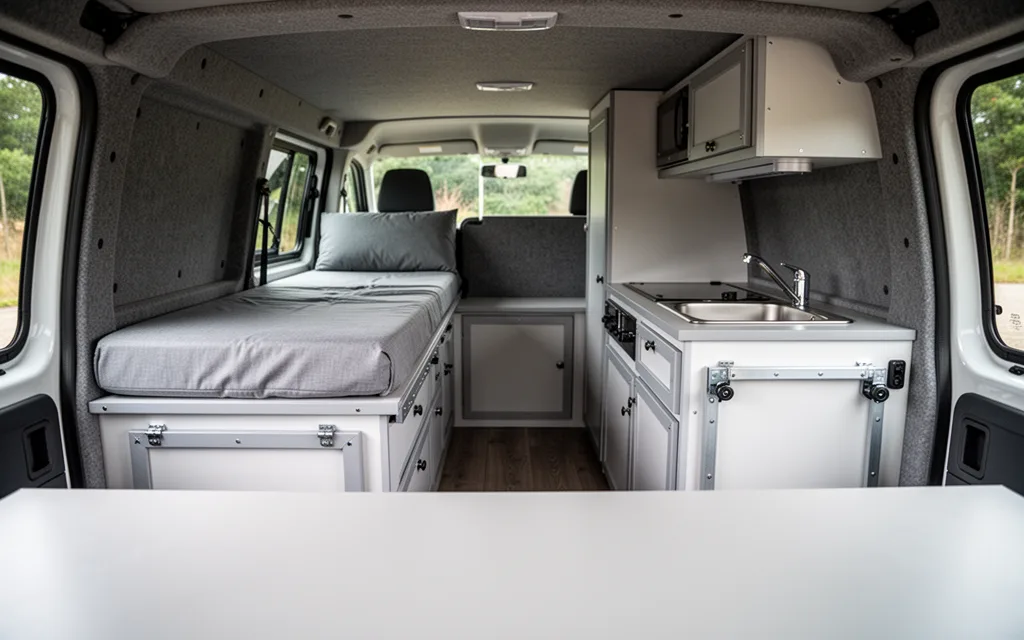
Keeping a campervan cool at night is a critical challenge for van converters, especially in warmer climates. Proper insulation, strategic ventilation, and smart material choices can make a significant difference. Start by sealing gaps with weatherstripping and using reflective window films to block heat. Thermal curtains and foam insulation in walls and floors help retain cool air. Consider installing a small, energy-efficient fan or a portable air conditioner with a low power draw. Position the van in shaded areas during the day and use awnings or tarps to reduce solar gain. These steps, tailored to your van’s layout, ensure comfort without compromising on space or sustainability—key for long-term, off-grid living. How to keep a campervan cool at night hinges on proactive design and practical adjustments.
Optimize Window Insulation with Reflective Covers
Reflective window covers act as a thermal barrier by reflecting solar radiation away from your campervan, significantly reducing heat absorption during the day and minimizing residual warmth at night. These covers are typically made of materials like aluminum-coated polyester or Mylar, which have high reflectivity (up to 90% of solar energy) and low emissivity, preventing heat from penetrating the interior. At night, they also help retain cool air by blocking radiant heat from external sources, such as the ground or nearby objects. For van converters, this is critical: even small gaps in insulation can allow heat to seep in, raising interior temperatures by several degrees.
- Measure and cut covers precisely to fit irregular window shapes, ensuring no gaps exist where heat can bypass the material. Use a heat gun to seal edges if needed.
- Install covers on the sun-facing side during the day, adjusting them at night to allow ventilation if necessary. Some converters use magnetic or Velcro systems for quick removal.
- Layer with insulating materials like bubble wrap or foam behind the covers for added thermal resistance. This is especially effective in regions with extreme temperature swings.
- Seal gaps with weatherstripping or silicone caulk around window frames to prevent air leakage, which can negate the benefits of reflective covers.
For maximum effectiveness, pair reflective covers with blackout curtains or shade cloth during the day. This dual-layer approach minimizes both solar heat gain and nighttime heat retention, creating a cooler, more stable interior environment. Test different materials and configurations during trips to identify the best balance of insulation, visibility, and ease of use for your van’s layout.
Install High-Quality Insulation Materials
Proper insulation is critical for maintaining a stable temperature inside your campervan. For walls, prioritize **closed-cell spray foam** (R-value 6–7 per inch) or **rigid polyurethane foam boards** (R-value 6–8 per inch). These materials block heat transfer effectively and resist moisture, which is vital in damp environments. If budget constraints exist, **extruded polystyrene (XPS)** boards (R-value 5 per inch) offer a cost-effective alternative with good thermal resistance. Seal all gaps between panels and the van’s frame to prevent air leakage, which can negate insulation benefits.
- Floors: Use **rigid foam boards** (XPS or EPS) paired with a **reflective insulation layer** (e.g., aluminum foil with bubble wrap). This combination minimizes heat absorption from the ground and reflects radiant heat upward. Ensure the insulation is fully adhered to the subfloor to avoid thermal bridging.
- Ceilings: Install **reflective insulation** (R-value 1–2 per inch) with a radiant barrier to deflect heat from the roof. Add a layer of **fiberglass batts** or **mineral wool** (R-value 3–4 per inch) beneath for added thermal resistance. Leave a small air gap between the insulation and the ceiling lining to prevent condensation.
- Additional Tip: Use **insulated window films** or **double-glazed windows** to reduce heat gain through glass surfaces. Always choose materials with high R-values and low thermal conductivity (e.g., DOE’s guide on insulation materials for specific product recommendations).
Utilize Ventilation Systems for Airflow
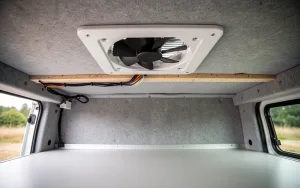
Passive and active ventilation systems are critical for maintaining cool temperatures in your campervan at night. Start with passive strategies: install roof vents or solar-powered roof fans to create natural airflow. Position these vents opposite each other to enable cross-ventilation, which accelerates heat exchange. Use mesh window screens to allow airflow while keeping insects out, and consider adding a small awning or shade cloth over windows during the day to reduce heat buildup. For active systems, integrate low-power electric fans—such as those mounted on windows or ceilings—to circulate air continuously. Pair these with exhaust fans in high-heat areas (e.g., kitchens or bathrooms) to draw out warm air. Solar-powered fans are ideal for off-grid setups, as they operate silently and require no wiring. When selecting materials, prioritize breathable fabrics for curtains and use reflective insulation in roof panels to minimize heat absorption. For deeper cooling, combine ventilation with phase-change materials (PCM) in your van conversion, which absorb and release heat slowly—this is covered in our cool van conversion ideas guide. Test airflow patterns during the day by opening vents and using a fan to identify optimal placement. Avoid blocking vents with furniture or storage, and consider using a fan controller to automate airflow based on temperature sensors. These layered approaches ensure your van remains comfortable even in hot climates.
Strategic Use of Shade and External Covers
Blocking sunlight before nightfall is critical to preventing heat buildup inside your campervan. Deploying external covers such as awnings, tarps, or reflective materials can significantly reduce solar gain. Choose awnings with UV-resistant fabric and a tight weave to block up to 90% of solar radiation; position them to cover windows and the roof, especially during peak sunlight hours (10 a.m.–4 p.m.). If awnings aren’t available, use heavy-duty tarps secured with bungees—opt for light-colored or reflective surfaces to maximize heat reflection. For added insulation, layer tarps with bubble wrap or foam boards to create an air gap that traps heat outside.
- Angle and position covers strategically: Align awnings or tarps to shade the van’s roof and side windows, avoiding direct sunlight exposure. Use adjustable poles or tensioners to maintain tight coverage.
- Use reflective materials: Apply reflective window films or aluminum foil to the van’s exterior (e.g., on the roof or sides) to deflect sunlight. These materials are lightweight and easy to remove when needed.
- Seal gaps: Ensure covers are tightly secured to prevent hot air from seeping through edges. Use weatherproof tape or additional bungees for a snug fit.
For deeper insights into materials and long-term solutions, see how to keep camper van cool in summer. Prioritizing shade during the day ensures your van stays cooler as temperatures drop at night.
Implement Cooling Technologies and Accessories
Portable air conditioners are a viable option for campervans, but choose models with low power consumption and efficient heat exchange systems. Units like the Dometic CFX1500 or Mr. Cool 12,000 BTU portable ACs are designed for compact spaces and require proper ventilation via a window vent or exhaust hose. Ensure your van has adequate airflow to prevent heat buildup inside the unit. For energy efficiency, pair these with a 12V inverter to run off your van’s battery system, though this may drain power quickly in hot conditions.
- Evaporative coolers (like the EcoCooler or CoolMate) are ideal for dry climates. They use water evaporation to lower temperatures and consume significantly less power than ACs. However, they’re ineffective in high humidity and require a steady water supply. Install a small reservoir or connect to a water source for continuous operation.
- Solar-powered fans (e.g., Sunne Solar Fan) can supplement cooling by improving airflow. Mount them on roof vents or windows to push hot air out and draw in cooler air. Pair with reflective window films to reduce solar heat gain.
- Thermal curtains or blackout shades block external heat during the day, while insulated window seals minimize gaps where warm air infiltrates. For extreme heat, consider phase-change cooling mats (e.g., CoolGel) placed on floors or under beds to absorb body heat.
- Hybrid systems combining a mini-split AC with a battery backup (like the EcoFlow Delta) offer consistent cooling without relying on campsite power. Ensure your van’s electrical system can handle the load.
Always test cooling tools in varied conditions before long trips. Combine active systems with passive strategies—like sealing gaps and using thermal mass—to maximize efficiency.
Leave a Reply