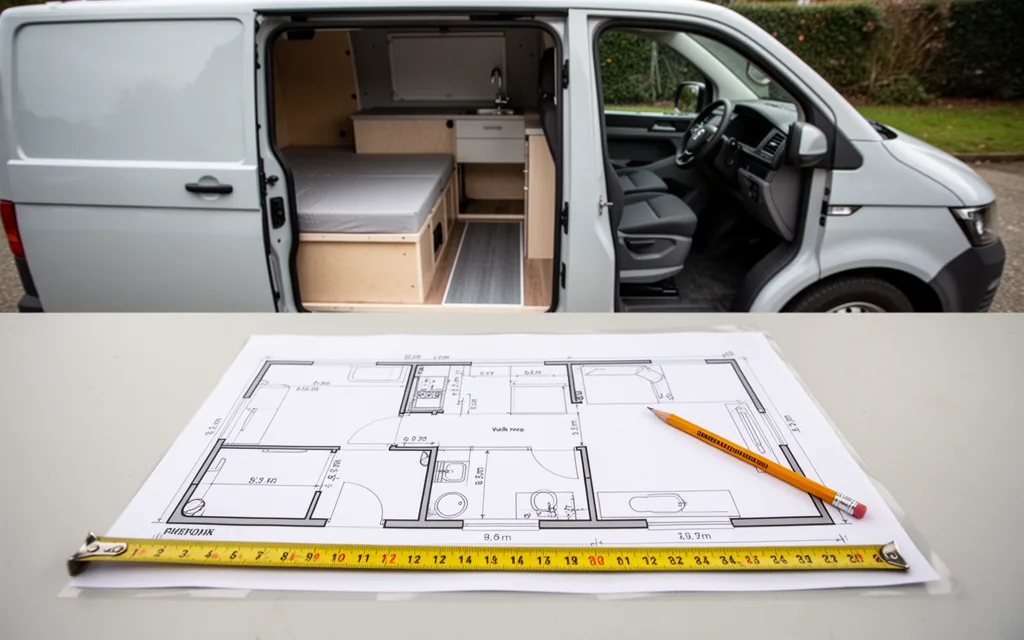
For UK-based van converters, navigating the world of campervan conversion plans uk requires balancing creativity with practicality. Whether you’re starting from scratch or upgrading an existing shell, success hinges on understanding local building codes, insulation standards, and waste management regulations. Prioritize space optimization—think modular layouts and lightweight materials—to maximize comfort without compromising structural integrity. Research UK-specific permits and safety checks, especially for gas installations and electrical systems. By aligning your vision with real-world constraints, you’ll create a conversion that’s both functional and compliant, ensuring your project meets the demands of UK roads and weather while staying true to your design goals.
Budget-Friendly Campervan Conversion Ideas for UK Converters
Optimise your budget by sourcing second-hand materials from UK markets like eBay, Facebook Marketplace, or local salvage yards. For flooring, consider laminate or vinyl tiles from discount retailers such as B&Q or Screwfix, which offer durable, water-resistant options at a fraction of the cost of bespoke van flooring. Repurpose old furniture—think reclaimed wooden tables or crates for storage—to add character without spending on new pieces.
- Lighting: Install LED strip lighting (available on Amazon UK) under cabinets or along ceiling edges for a modern, energy-efficient glow. Salvage light fixtures from charity shops for a vintage touch.
- Kitchenette: Use a fold-down sink (e.g., from Camping World UK) and a compact fridge/freezer from discount stores like Argos or Wilko. Mount a magnetic knife rack on the fridge door to save space.
- Sleeping area: Opt for a second-hand mattress from a UK auction site or a foam mattress from a DIY store. Build a loft bed frame using affordable pine wood from a local hardware store.
- Storage: DIY shelving with MDF boards and brackets (available at B&Q) or use the van’s existing structure to create built-in cupboards. Seal gaps with silicone to prevent drafts.
- Insulation: Use budget-friendly bubble wrap or reflective insulation (available on Amazon UK) to line walls and ceilings, reducing heat loss without costly upgrades.
Focus on modular, multi-functional designs—such as a fold-out table that doubles as a workbench—to maximise space and minimise costs. Prioritise essential systems (e.g., water, electricity) and upgrade gradually as your budget allows.
Step-by-Step Guide to UK Campervan Conversion Projects
Begin by selecting a van compliant with UK weight and size limits (e.g., 3.5 tonnes for most conversions). Research local suppliers for van sourcing, such as auctions or dealerships in Scotland, Wales, or England. Next, consult the DVLA’s vehicle licensing guidelines to understand registration requirements, including MOT exemptions for conversions under 3.5 tonnes. Draft a detailed layout plan, factoring in UK-specific regulations like fire safety standards (e.g., fire blankets, smoke detectors) and waste systems (e.g., composting toilets, grey water tanks). Source materials from UK-based suppliers like Vanlife UK for local support and compliance with building regulations. Install electrical systems adhering to BS 7671 (UK wiring regulations), ensuring proper insulation and waterproofing for damp climates. Test all systems—water, gas, and electrical—before final assembly, using a certified inspector if required. Register the converted van with the DVLA, providing proof of compliance with UK safety standards. Finally, secure insurance tailored to converted vans, noting any modifications to the policy. Regularly review UK legislation updates, as rules around conversions (e.g., camping restrictions in England’s National Parks) may change. Prioritize modular designs for future compliance adjustments, and join UK van conversion forums for peer advice on local challenges.
Sourcing Materials and Suppliers in the UK
Local suppliers in the UK offer cost-effective, high-quality materials tailored for campervan conversions. For tools and hardware, Toolstation and Screwfix provide durable options at competitive prices, while Insulation Direct specializes in thermal insulation and roofing materials. For bespoke van interiors, VanLife UK and Campervan Parts UK stock van-specific components like sink units, electrical systems, and furniture. Attending trade shows like VanLife Exhibition can also connect you with local suppliers and manufacturers.
Online platforms like eBay UK and Amazon UK offer budget-friendly tools and materials, but prioritize sellers with positive reviews for van-conversion-specific items. For custom cabinetry or countertops, contact local carpenters or join Facebook groups like “UK Van Conversion” to source secondhand or reclaimed materials.
For detailed layouts and material lists, refer to our van conversion plans guide. Always compare delivery times and return policies when ordering online, and consider bulk discounts from suppliers like Wooden Online for timber and joinery. Local metalworkers and welders, often found via directories like Find a Metaller, can fabricate custom frames or storage solutions affordably.
UK-Specific Legal and Safety Considerations
When converting a campervan in the UK, compliance with legal and safety standards is non-negotiable. The Road Vehicles (Construction and Use) Regulations 1986 govern modifications, requiring adherence to fire safety, structural integrity, and emergency exit protocols. For example, all conversions must include a functional fire extinguisher, proper ventilation, and unobstructed escape routes. Electrical systems must comply with the IET Wiring Regulations, with particular attention to battery installations and wiring insulation. Structural changes—such as adding partitions or altering load-bearing components—must meet BS EN 1264 standards to ensure stability and safety during transit.
- Fire safety: Use fire-retardant materials in interior fittings and install a fire extinguisher rated for Class A and B fires.
- Electrical compliance: Ensure all wiring meets IET standards, and avoid overloading circuits. Refer to campervan conversion plans pdf for detailed electrical layout examples.
- Certifications: After conversion, the vehicle must pass an MOT test. If modifications affect safety-critical systems (e.g., brakes, lights), a DVSA-approved inspector must certify the work.
- Registration: If the campervan will be used for hire or reward, it must be registered with the DVLA as a commercial vehicle, requiring additional safety checks and insurance.
Ignoring these requirements can result in fines, legal action, or invalid insurance. Always consult the DVSA’s guidance and consider hiring a certified conversion specialist to ensure compliance.
Inspiration and Design Trends for UK Campervan Conversions
UK campervan converters are increasingly prioritising multifunctional spaces and eco-conscious materials. A standout trend is the use of **modular furniture**—think fold-out beds that double as seating, or tables that retract into walls to free up floor space. Converters are also embracing **natural light maximisation**, with skylights and large, low-profile windows becoming standard to combat the UK’s overcast climate. For a modern touch, **floating shelves** made from reclaimed wood or recycled composites are popular, offering both storage and a rustic aesthetic.
- Smart storage solutions**: Custom-built cupboards with magnetic knife holders, pull-out drawers for utensils, and under-floor compartments for seasonal gear are streamlining cluttered interiors.
- Eco-friendly finishes**: Low-VOC paints, cork flooring, and biodegradable adhesives are gaining traction, aligning with the UK’s growing emphasis on sustainability.
- Integrated tech**: Solar panel systems paired with battery storage, and hidden outlets for laptops or phones, are now essential for long-term travel comfort.
- Biophilic design**: Incorporating indoor plants via vertical gardens or hanging planters adds a refreshing, nature-inspired vibe while improving air quality.
- Flexible workspaces**: Convertible desks with USB ports and adjustable lighting cater to remote workers, a key demographic for UK converters.
For inspiration, explore UK-based van conversion communities like Vanlife UK or Campervan Conversion, where converters share blueprints and material recommendations tailored to local weather and lifestyle needs.
Leave a Reply