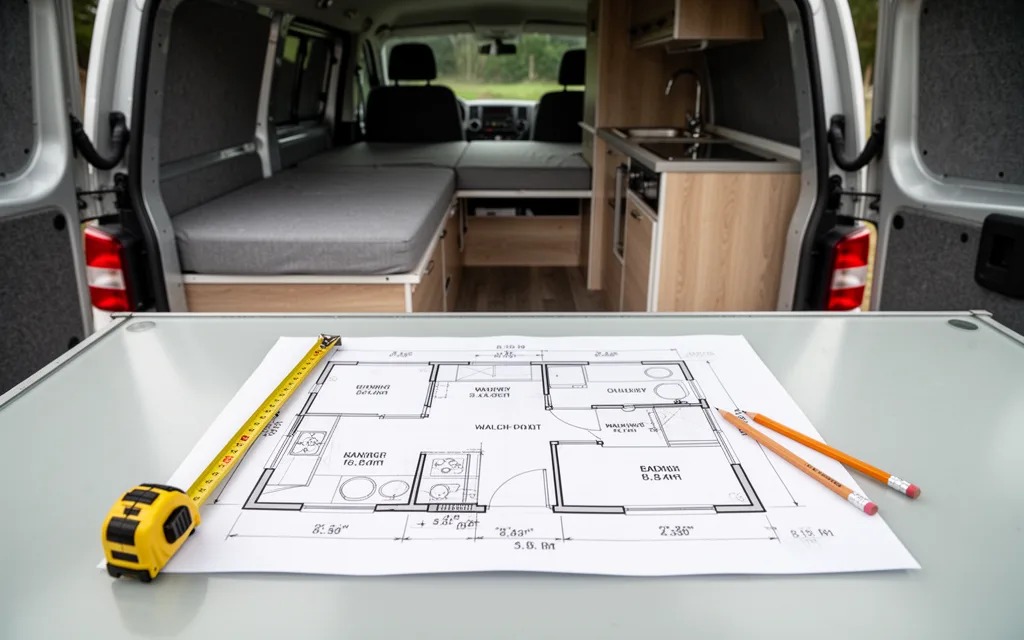
Looking to convert your van without breaking the bank? “Van conversion plans free” can be your starting point, offering actionable ideas that prioritize affordability without sacrificing functionality. Whether you’re aiming for minimalist camping or a mobile workspace, these plans focus on repurposing materials, DIY hacks, and smart layouts to cut costs. From sourcing secondhand fixtures to optimizing storage without custom builds, every tip is designed to stretch your budget. Explore step-by-step guides, community forums, and open-source designs to avoid common pitfalls. With careful planning, you can transform your van into a personalized, cost-effective space—no expensive contractors or proprietary kits required. Start with free resources that align with your vision and wallet.
Free DIY Van Conversion Templates for Beginners
Beginners can access free downloadable blueprints from online communities like Reddit’s r/vanlife or VanLifeMag, which often share user-submitted layouts. Look for templates labeled “budget-friendly” or “starter kits,” which typically prioritize simplicity—think basic sleeping areas, fold-out kitchenettes, and modular storage. Many templates include measurements for common van models (e.g., 20-foot box vans) and note cost-effective material swaps, like using secondhand plywood or repurposed cabinets.
- Layout examples: Search for “van conversion floor plan PDF” to find downloadable grids showing sleeping zones, shower setups, and tool storage. Some templates include 3D renderings to visualize space.
- Customization tips: Use free tools like SketchUp or LibreCAD to tweak dimensions for your van’s interior. Many templates include notes on how to adjust for ceiling height or window placement.
- Material guides: Some blueprints list low-cost alternatives, such as using shower curtains instead of tile or mounting shelves on salvaged wood. Check forums for advice on sourcing materials from hardware stores or Facebook Marketplace.
- Considerations: Templates often omit electrical or plumbing details—prioritize layouts that leave room for future upgrades. Always verify measurements against your van’s specs to avoid costly mistakes.
ɢ
Budget-Friendly Material Sourcing Hacks
Acquiring high-quality materials for your van conversion doesn’t require a large budget—strategic sourcing can save hundreds. Start by scouring salvage yards for used appliances, cabinetry, and flooring. Many items are sold at a fraction of retail prices, and you’ll often find near-new products that require minimal repairs. Online marketplaces like Facebook Marketplace or Craigslist are also goldmines for discounted or free materials, especially if you’re willing to barter or trade labor. For hardware, visit local stores during overstock sales or clearance events; retailers like Lowe’s and Home Depot frequently discount bulk items like insulation, screws, and electrical components.
- Repurpose industrial materials: Check out surplus stores or contact local manufacturers for discarded materials like steel sheets or wood pallets. These can be upcycled into custom storage solutions or structural supports.
- Shop manufacturer overstock: Websites like Overstock.com or direct manufacturer sales pages often list discounted cabinetry, countertops, and flooring at steep discounts.
- Join van conversion forums: Communities like VanLife or Tiny House Talk frequently share leads on free or discounted materials, from donated appliances to bulk fabric sales.
- Use alternative materials: Opt for affordable yet durable options like marine-grade plywood instead of expensive composites, or use recycled glass for countertops.
By leveraging these tactics, you can build a functional, stylish van interior while keeping costs low—without compromising on quality or safety.
Step-by-Step Guide to Building Your Van
Start by defining your van’s primary use—sleeping, camping, or work—to prioritize features. Use van conversion plans to outline layouts and material lists, ensuring you stay within budget. Next, source affordable materials: shop hardware stores for insulation, repurpose furniture for seating, and use salvaged wood for flooring. Focus on essentials first, like a sturdy bed frame and basic electrical wiring for lights and outlets. Install insulation (foam board or fiberglass) to regulate temperature, then seal gaps with weatherstripping to prevent leaks. For electrical systems, opt for low-cost LED lighting and a small solar panel setup to power essentials. Mount shelves and storage bins to maximize space without drilling holes. Finally, add finishing touches—thick curtains for privacy, a portable stove, and a foldable table. Test all systems for functionality, and adjust as needed. Keep costs low by doing most work yourself and prioritizing durability over luxury. Regularly review your budget to avoid overspending on non-essentials.
Common Pitfalls to Avoid in Van Conversions
Many budget converters waste time and money by skipping critical planning steps. One major mistake is underestimating the cost of materials—opting for cheap, flimsy components that fail quickly or require replacement. Another is ignoring proper weight distribution, which can compromise safety and handling. For example, bolting furniture to the floor without reinforced brackets often leads to structural stress during travel.
- Overlooking electrical basics: DIYers frequently skip proper wiring for lights, outlets, or appliances, leading to unsafe setups. Always plan for circuit breakers and waterproofing, even if it adds upfront cost.
- Poor layout planning: Rushing into a design without sketching out dimensions can result in unusable spaces. Use van conversion plans pdf to map storage, sleeping areas, and work zones accurately before cutting materials.
- Ignoring insulation: Failing to insulate walls, floors, or ceilings makes the van uncomfortable in extreme weather. Budget-friendly options like foam board or reflective insulation can be installed without breaking the bank.
- Underestimating time: Converting a van is labor-intensive. Allocate extra weeks for unexpected delays, like sourcing parts or fixing mistakes.
Finally, avoid overcomplicating the build with luxury features that drain your budget. Stick to essential upgrades that enhance functionality without unnecessary expense. A well-thought-out plan, paired with realistic expectations, will save you from costly rework later.
Community Resources for Free Van Conversion Ideas
Online forums and social groups are goldmines for budget-conscious van converters, offering free, crowd-sourced advice and creative solutions. These communities often feature detailed threads on low-cost materials, repurposed furniture, and DIY electrical setups. Engaging with them can save time and money by avoiding trial-and-error mistakes.
- Reddit hosts active subreddits like r/vanlife and r/diyvanconversion, where members share step-by-step guides, budget breakdowns, and photos of completed projects. Search terms like “$500 van build” or “no-frills conversion” yield targeted results.
- Facebook groups such as “Budget Van Conversion Tips” or “Van Life DIY Hacks” often have members trading tools, sourcing secondhand supplies, or offering mentorship. Join groups with strict “no commercial links” rules to avoid spam and focus on genuine collaboration.
- Specialized forums like Van Mastery or The DIY Van host free tutorials and member-exclusive discussions on cost-effective insulation, plumbing, and storage hacks. Check their “free resources” sections for downloadable checklists.
- Instagram
Related reading
Leave a Reply